



15 November 2026
Saint Albert the Great, Saint Eugene of Toledo, Saint Joseph Pignatelli and the Holy Martyrs of Paraguay
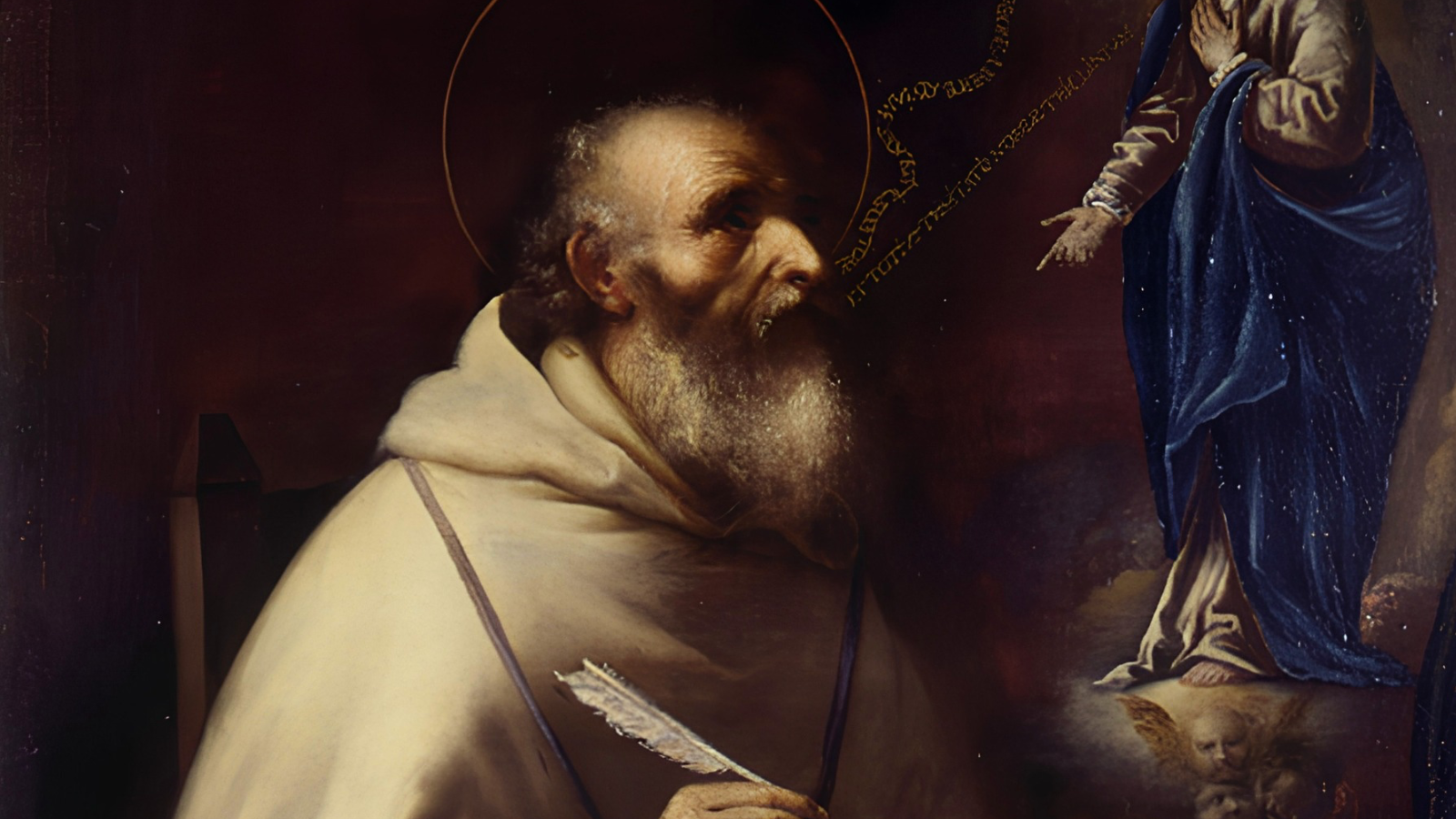
Today, November 15, we celebrate the feast day of: Saint Albert the Great, bishop and doctor of the Church; Saint Eugene of Toledo, bishop; Saint Joseph Pignatelli, religious; and the Holy Martyrs of Paraguay.
Saint Albert the Great, Bishop and Doctor of the Church
Born around 1206 in Lauingen, in German Bavaria, he studied liberal arts and philosophy in Padua, where he met and entered the Dominican Order despite his family's opposition. He furthered his studies in Cologne and Paris, where he became a professor teaching according to the scholastic method and systematically introducing the study of Aristotle into Christian thought. There, he had Saint Thomas Aquinas as a student, with whom he shared a relationship of great respect and friendship. He was subsequently transferred to Cologne and brought Saint Thomas Aquinas with him, consolidating the Dominican model of observation, reason, and contemplation. He wrote treatises on theology, nature, and experimental sciences, based on the principle that to understand creation one had to directly observe nature, not just read books,becoming a precursor to the scientific method: "whoever studies nature with a pure heart reads in it the words of God," yet always mindful that "how could I study the wonders of creation if I do not first speak with the Creator?"
He never stopped studying or writing, while also serving as provincial of the German Dominicans, bishop of Regensburg for two years until he resigned, and a preacher and professor wherever he was sent. He worked for peace, while desiring it for himself as well. Having returned permanently to Cologne, he lived as a simple religious the final years of his life,which came to an end on November 15, 1280. In 1931 he was canonized and proclaimed a Doctor of the Universal Church with the title "Doctor Universalis" for his encyclopedic wisdom, despite his own words about himself: "what I know, compared to what I ignore, is like a drop of water before the sea."
Saint Eugene of Toledo, Bishop
Eugene, whose name means "well-born," was a monk in Zaragoza, where he collaborated with the holy bishop Braulio,until in 646 he was elected Archbishop of Toledo, a post he accepted reluctantly. He presided over four councils there,promoted the liturgy, and wrote poems, hymns, and a treatise on the Trinity. Saint Ildefonsus, who had been his disciple and succeeded him in the see of Toledo, left a eulogy of him as a man of great wisdom and virtue. He rested in Christ in the year 657.
Saint Joseph Pignatelli, Religious
Born in Zaragoza in 1737 to a noble Aragonese family, he studied humanities at the Jesuit college in Zaragoza and entered the novitiate of the Society of Jesus in Tarragona in 1753. In 1766 the Jesuits were accused of having provoked the popular uprising in Zaragoza, serving as an excuse to decree, by virtue of the Pragmatic Sanction in 1767, the expulsion of all Jesuits from the city and shortly thereafter from Spain. Following various vicissitudes, Pignatelli, along with his brother Nicolás, moved to Bologna, where they lived in retirement, dedicated to prayer and study. Despite the supposed suppression of the order, for forty years he maintained the bond with his brothers in the order and prepared for its restoration: "all I want is for the Company to be restored." He managed to have the Society of Jesus gradually resume operations in certain territories, such as the Kingdom of Naples, Sicily, and Sardinia. He died on November 15, 1811, in Rome.
He is considered the second founder of the Jesuit order for having kept the spirit alive and prepared the restoration: in 1814, three years after his death, the Company was universally restored. He was canonized in 1954. The Jesuits celebrate him on November 14.
Holy Martyrs of Paraguay
At the beginning of the 17th century, Spanish and Portuguese Jesuits founded reductions with the aim of evangelizing the Guaraní and protecting them from the abuses of colonizers and slavers. The missionaries lived among the indigenous peoples, learned the language, and established self-sufficient communities combining evangelizing, educational, and social work. Between November 15 and 17, 1628, while protecting the missions they had helped found, three Jesuits were martyred: Roque González de Santa Cruz, Alonso Rodríguez, and Juan del Castillo. They did not flee, but remained firm in the faith, as Alonso himself said: "if God wants us to die for His glory and for these peoples, let His will be done."
An ancient tradition explains that after the martyrdom, the body of Roque González was burned, but his heart miraculously remained intact. The relic, venerated as a symbol of his dedication to the indigenous peoples, is currently preserved in Asunción. All three were canonized together in 1988. Roque González, born in Asunción, is considered the first saint of Paraguay.
Array
(
    [ID] => 74
    [actiu] => 1
    [fecha] => 1794697200
    [cicle] => -
    [titol] => Saint Albert the Great, Saint Eugene of Toledo, Saint Joseph Pignatelli and the Holy Martyrs of Paraguay
    [entradeta] =>
    [cos] => Today, November 15, we celebrate the feast day of: Saint Albert the Great, bishop and doctor of the Church; Saint Eugene of Toledo, bishop; Saint Joseph Pignatelli, religious; and the Holy Martyrs of Paraguay.


Saint Albert the Great, Bishop and Doctor of the Church


Born around 1206 in Lauingen, in German Bavaria, he studied liberal arts and philosophy in Padua, where he met and entered the Dominican Order despite his family's opposition. He furthered his studies in Cologne and Paris, where he became a professor teaching according to the scholastic method and systematically introducing the study of Aristotle into Christian thought. There, he had Saint Thomas Aquinas as a student, with whom he shared a relationship of great respect and friendship. He was subsequently transferred to Cologne and brought Saint Thomas Aquinas with him, consolidating the Dominican model of observation, reason, and contemplation. He wrote treatises on theology, nature, and experimental sciences, based on the principle that to understand creation one had to directly observe nature, not just read books,becoming a precursor to the scientific method: "whoever studies nature with a pure heart reads in it the words of God," yet always mindful that "how could I study the wonders of creation if I do not first speak with the Creator?"


He never stopped studying or writing, while also serving as provincial of the German Dominicans, bishop of Regensburg for two years until he resigned, and a preacher and professor wherever he was sent. He worked for peace, while desiring it for himself as well. Having returned permanently to Cologne, he lived as a simple religious the final years of his life,which came to an end on November 15, 1280. In 1931 he was canonized and proclaimed a Doctor of the Universal Church with the title "Doctor Universalis" for his encyclopedic wisdom, despite his own words about himself: "what I know, compared to what I ignore, is like a drop of water before the sea."


Saint Eugene of Toledo, Bishop


Eugene, whose name means "well-born," was a monk in Zaragoza, where he collaborated with the holy bishop Braulio,until in 646 he was elected Archbishop of Toledo, a post he accepted reluctantly. He presided over four councils there,promoted the liturgy, and wrote poems, hymns, and a treatise on the Trinity. Saint Ildefonsus, who had been his disciple and succeeded him in the see of Toledo, left a eulogy of him as a man of great wisdom and virtue. He rested in Christ in the year 657.


Saint Joseph Pignatelli, Religious


Born in Zaragoza in 1737 to a noble Aragonese family, he studied humanities at the Jesuit college in Zaragoza and entered the novitiate of the Society of Jesus in Tarragona in 1753. In 1766 the Jesuits were accused of having provoked the popular uprising in Zaragoza, serving as an excuse to decree, by virtue of the Pragmatic Sanction in 1767, the expulsion of all Jesuits from the city and shortly thereafter from Spain. Following various vicissitudes, Pignatelli, along with his brother Nicolás, moved to Bologna, where they lived in retirement, dedicated to prayer and study. Despite the supposed suppression of the order, for forty years he maintained the bond with his brothers in the order and prepared for its restoration: "all I want is for the Company to be restored." He managed to have the Society of Jesus gradually resume operations in certain territories, such as the Kingdom of Naples, Sicily, and Sardinia. He died on November 15, 1811, in Rome.


He is considered the second founder of the Jesuit order for having kept the spirit alive and prepared the restoration: in 1814, three years after his death, the Company was universally restored. He was canonized in 1954. The Jesuits celebrate him on November 14.


Holy Martyrs of Paraguay


At the beginning of the 17th century, Spanish and Portuguese Jesuits founded reductions with the aim of evangelizing the Guaraní and protecting them from the abuses of colonizers and slavers. The missionaries lived among the indigenous peoples, learned the language, and established self-sufficient communities combining evangelizing, educational, and social work. Between November 15 and 17, 1628, while protecting the missions they had helped found, three Jesuits were martyred: Roque González de Santa Cruz, Alonso Rodríguez, and Juan del Castillo. They did not flee, but remained firm in the faith, as Alonso himself said: "if God wants us to die for His glory and for these peoples, let His will be done."


An ancient tradition explains that after the martyrdom, the body of Roque González was burned, but his heart miraculously remained intact. The relic, venerated as a symbol of his dedication to the indigenous peoples, is currently preserved in Asunción. All three were canonized together in 1988. Roque González, born in Asunción, is considered the first saint of Paraguay.
    [imatge] => https://montserrat.sobrevia.net/gestiobeta/arxius/montserrat/santoral/abadiaeng_74.jpg
)