



History
In medieval monasteries, the Scriptorium was the room dedicated to study and the copying of books. It was, so to speak, the active branch of the library.
At Montserrat, since the mid-20th century, the Scriptorium Biblicum et Orientale has been a center for research and outreach. From its original focus on the Bible, it has expanded to include related fields, such as the history and culture of the Middle East.
Additionally, the Scriptorium is tasked with the conservation, research, and dissemination of the biblical archaeological collection—featuring materials from Mesopotamia, Egypt, the Holy Land, and Cyprus collected by Fr. Bonaventura Ubach—as well as the papyrus collection bequeathed by Dr. Ramon Roca-Puig.
In recent decades, the Scriptorium has also organized, both independently and in collaboration with other institutions, numerous university academic days at Montserrat covering diverse topics ranging from ancient history to contemporary issues.
Furthermore, a series of monographic catalogs of Montserrat's ancient collections has been published (available under publications). The Scriptorium remains an open space for researchers, students, journalists, and anyone interested in the materials it safeguards.
Collections
Biblical Archaeology
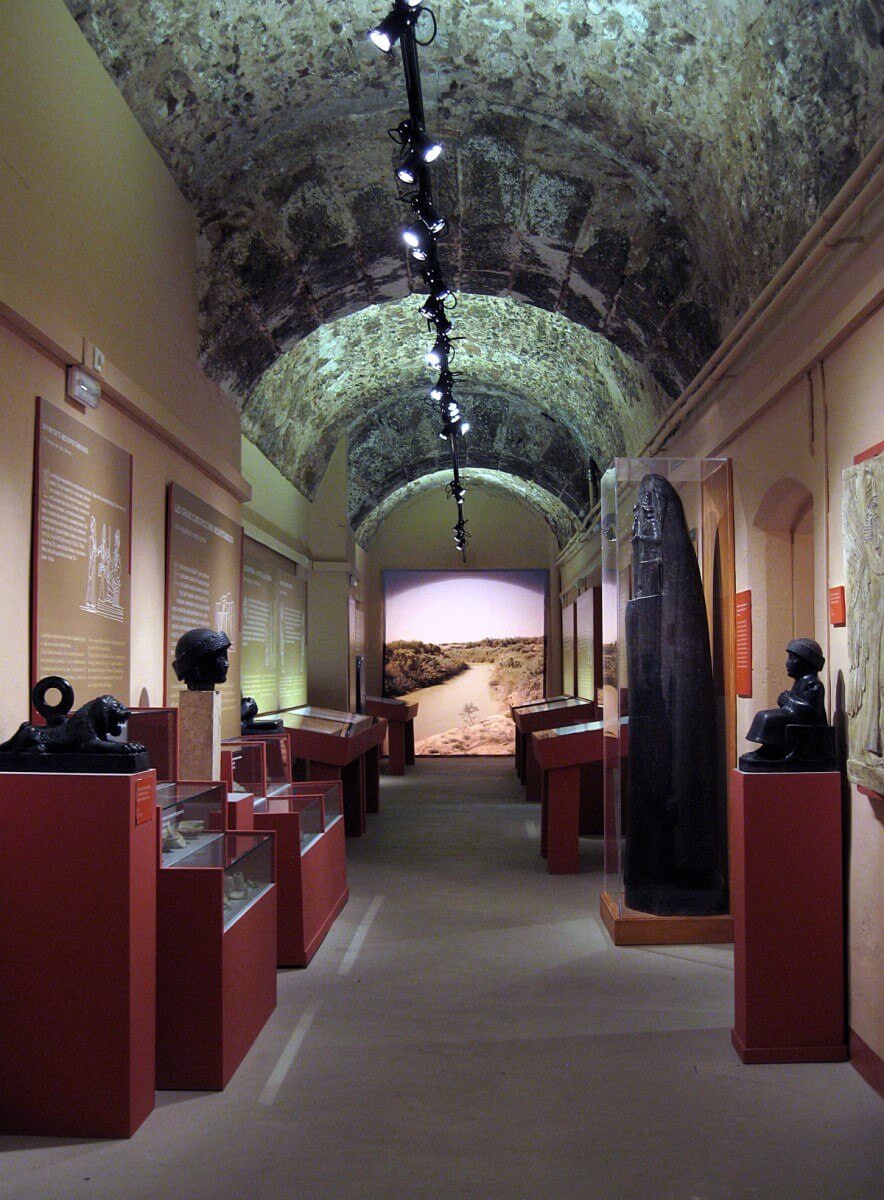
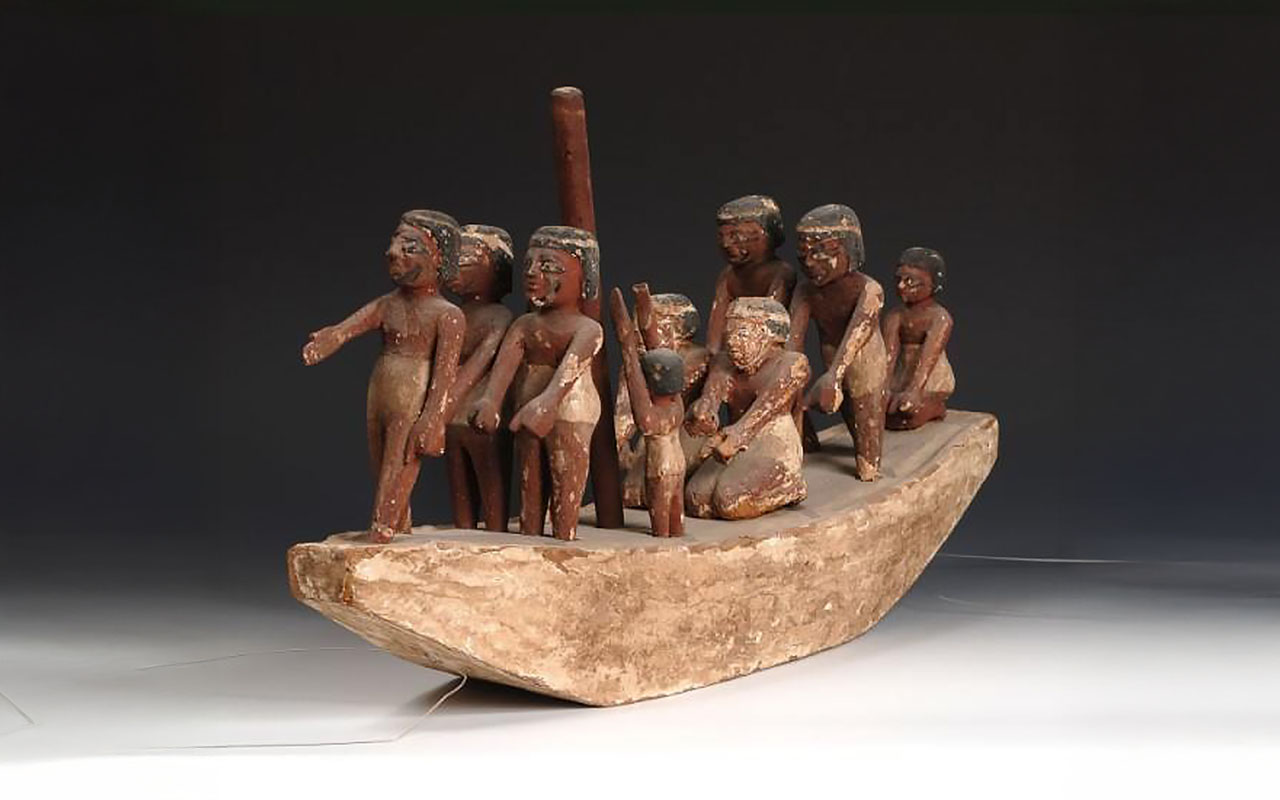
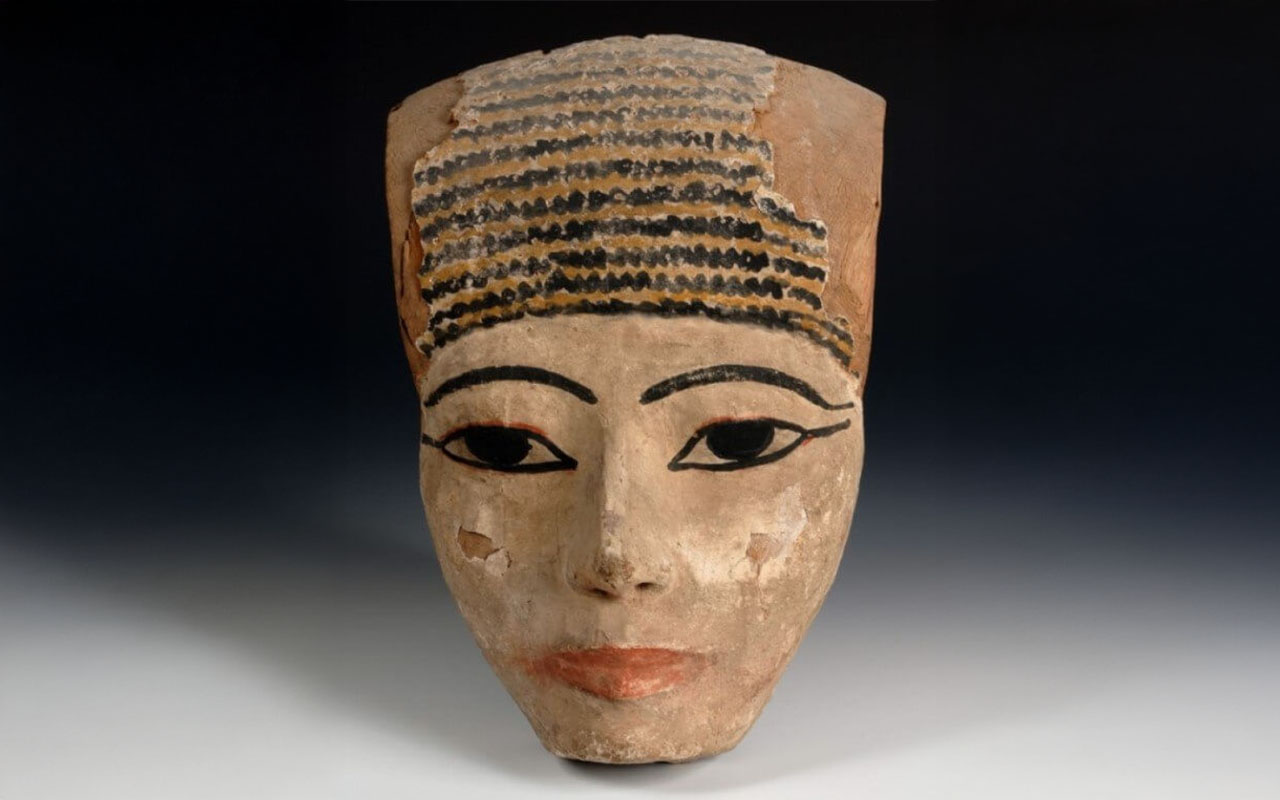
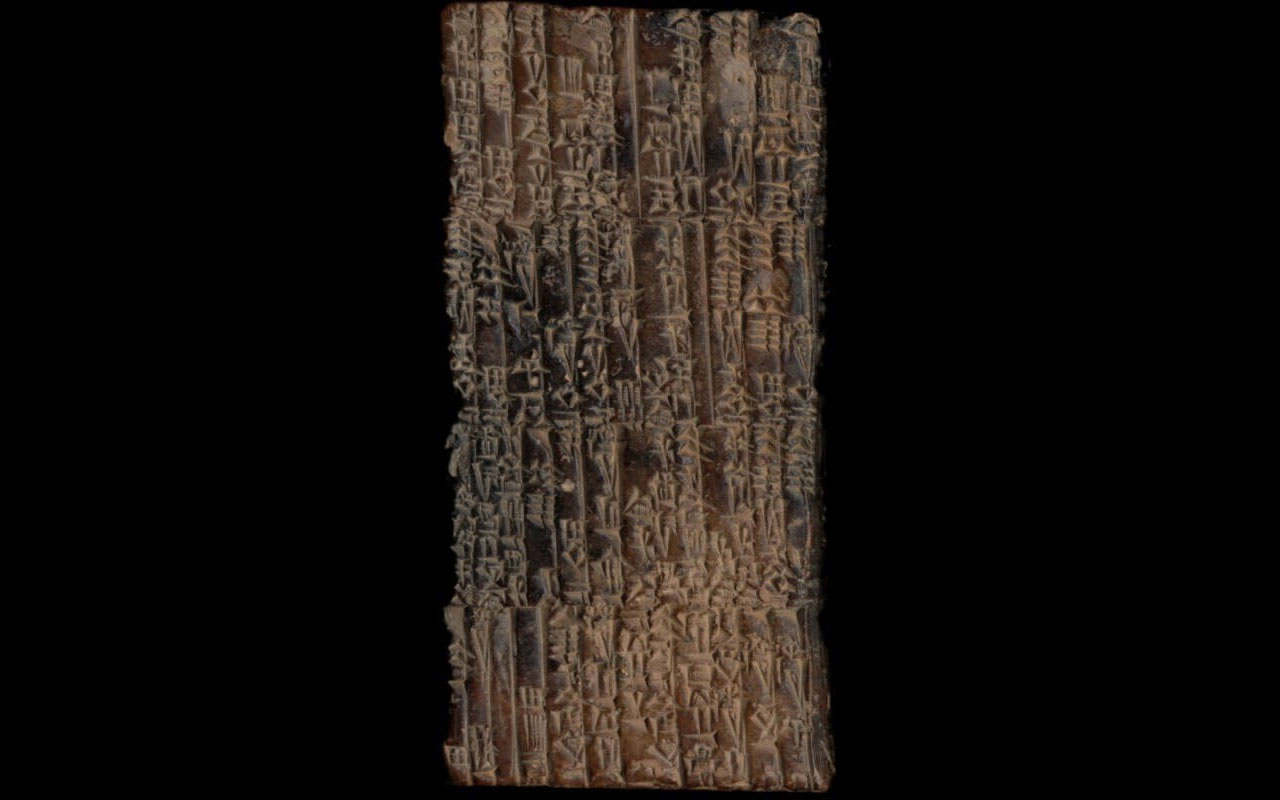
The archaeological holdings of the Abbey of Montserrat feature artifacts, fauna, flora, minerals, manuscripts, and folklore items from the cultures of the Biblical East. These pieces were originally exhibited in the former Biblical Museum of Montserrat—the monastery's first museum, inaugurated in 1911.
This museum was founded by Fr. Bonaventura Ubach, a biblical scholar and monk of Montserrat, with the aim of contextualizing and illustrating different cultures and civilizations.
Thanks to his extensive travels throughout the Biblical East, he was able to acquire these materials, which are on display at the Museum of Montserrat today.
Papyri
The papyrus collection of the Abbey of Montserrat, donated to the monastery by Dr. Ramon Roca-Puig upon his death in 2001, comprises more than 1,500 items (papyri and parchments) from Egypt, dating from the Ptolemaic period to the 10th century AD.
The majority are written in Greek and Coptic, though a significant number of pieces are in Latin, Arabic, and Demotic.
Previously, in 1928, Fr. Bonaventura Ubach had already acquired a small collection of about 200 papyri (mostly in Greek) for the monastery to serve as illustrations for the Montserrat Bible.
Since 2010, the DVCTVS team has been responsible for managing the study and editing of Montserrat's papyrological collection.
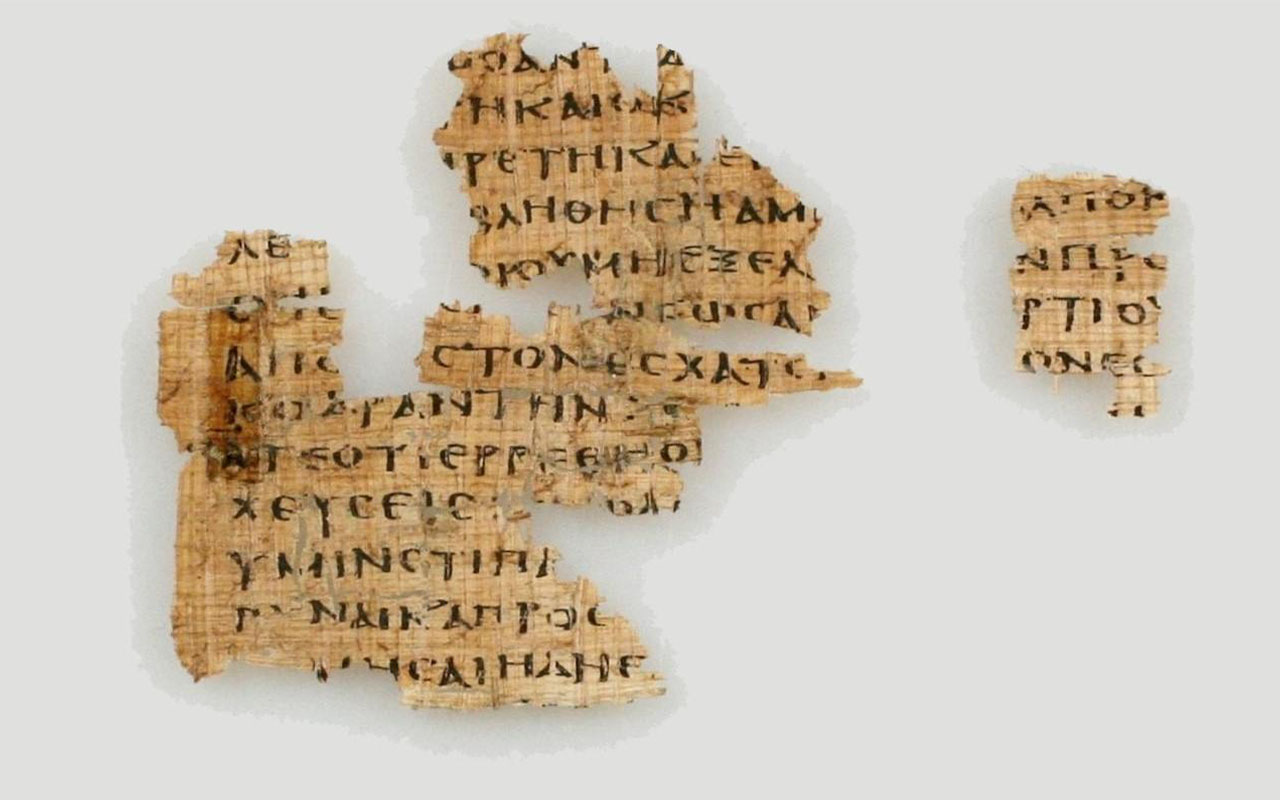
Fragment corresponding to 3:9, 15 and 5:20–22, 25–28
2nd century AD – Roman Period
Gospel of St. Matthew
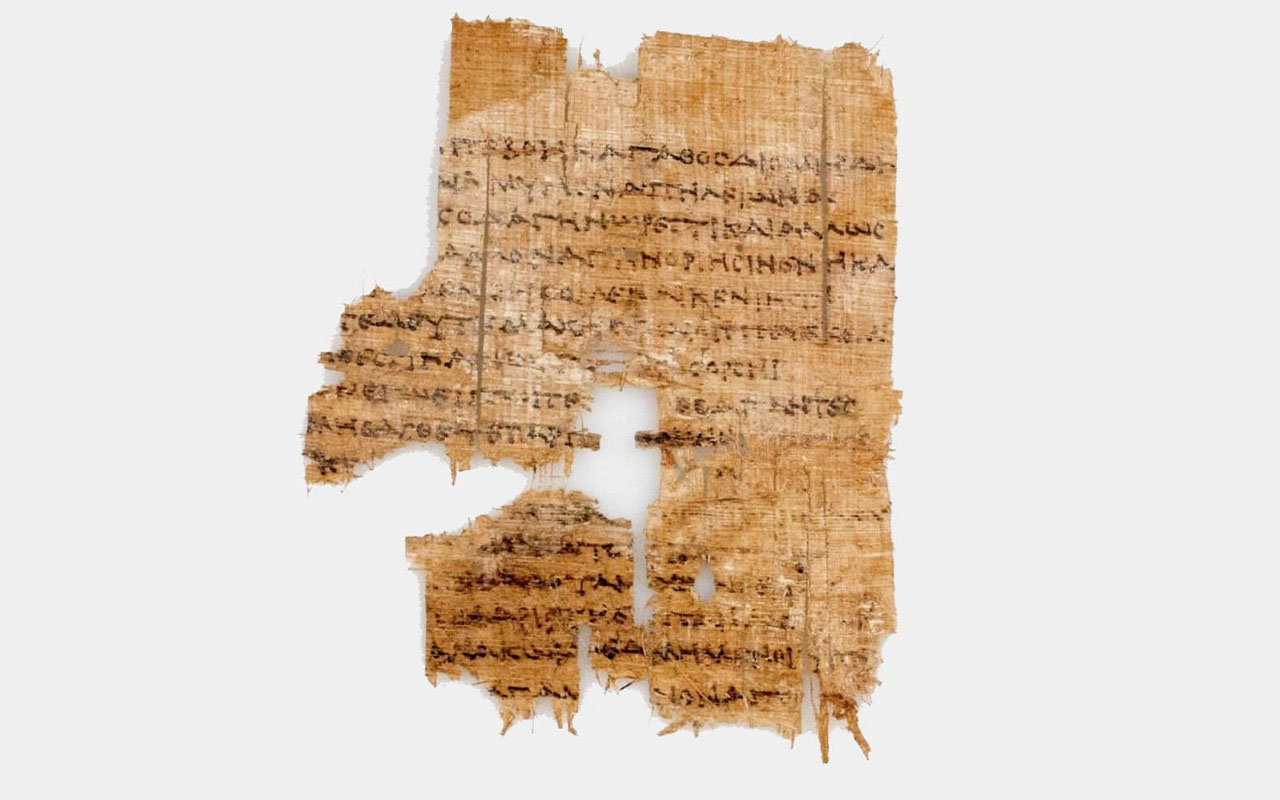
Fragment corresponding to 9.696–10.3
3rd century BC – Ptolemaic Period
Homer's Iliad
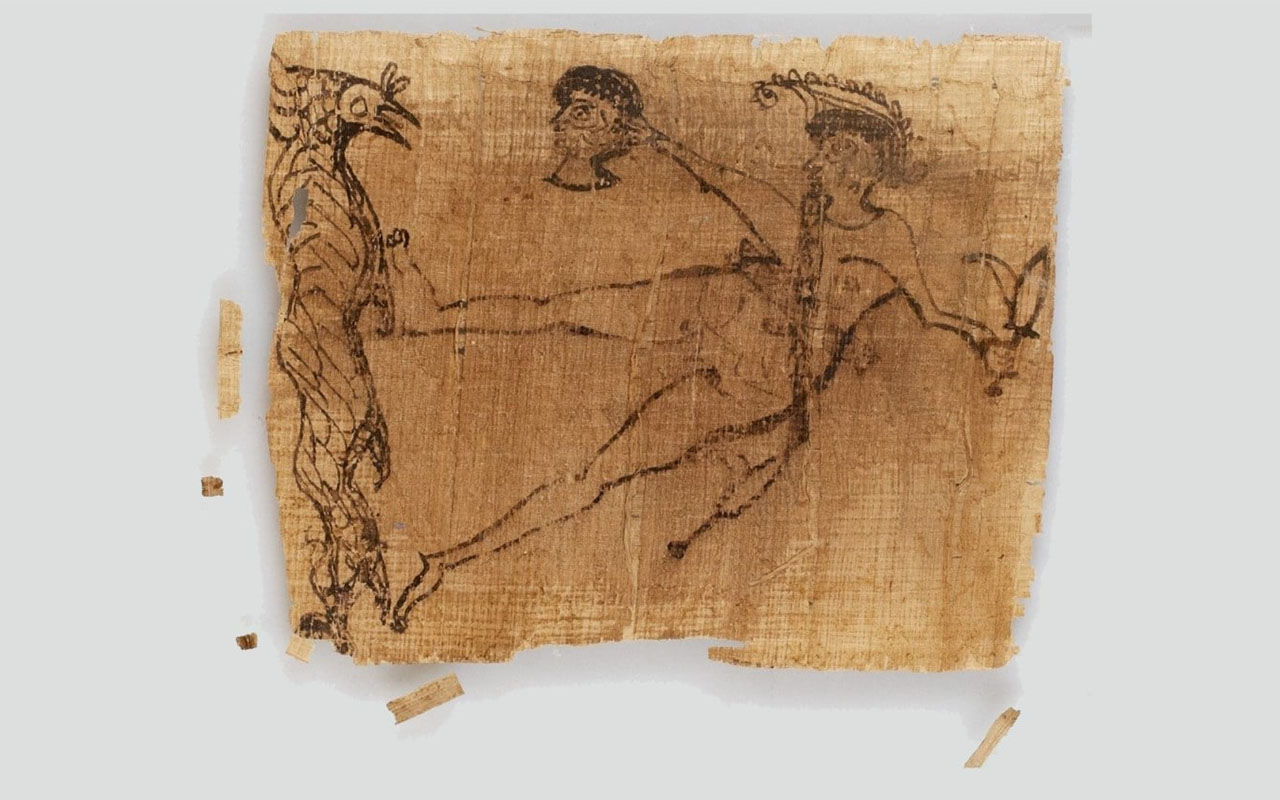
Man holding a human head, stepping on a monstrous creature
4th century AD – Upper Egypt
Mythological Drawing from the Codex Miscellaneus
Coptic Textiles of Montserrat
Montserrat's Scriptorium holds a collection of 217 Coptic textile fragments assembled by Dr. Ramon Roca-Puig and bequeathed to the monastery in 2001. Although Dr. Roca-Puig was primarily associated with papyrology, acquiring this particular category of Coptic textiles reflected his goal of expanding beyond text-only artifacts to include other material culture from early Christianity. All of these fragments were acquired at an antiquarian shop in Cairo, Egypt, in 1954.
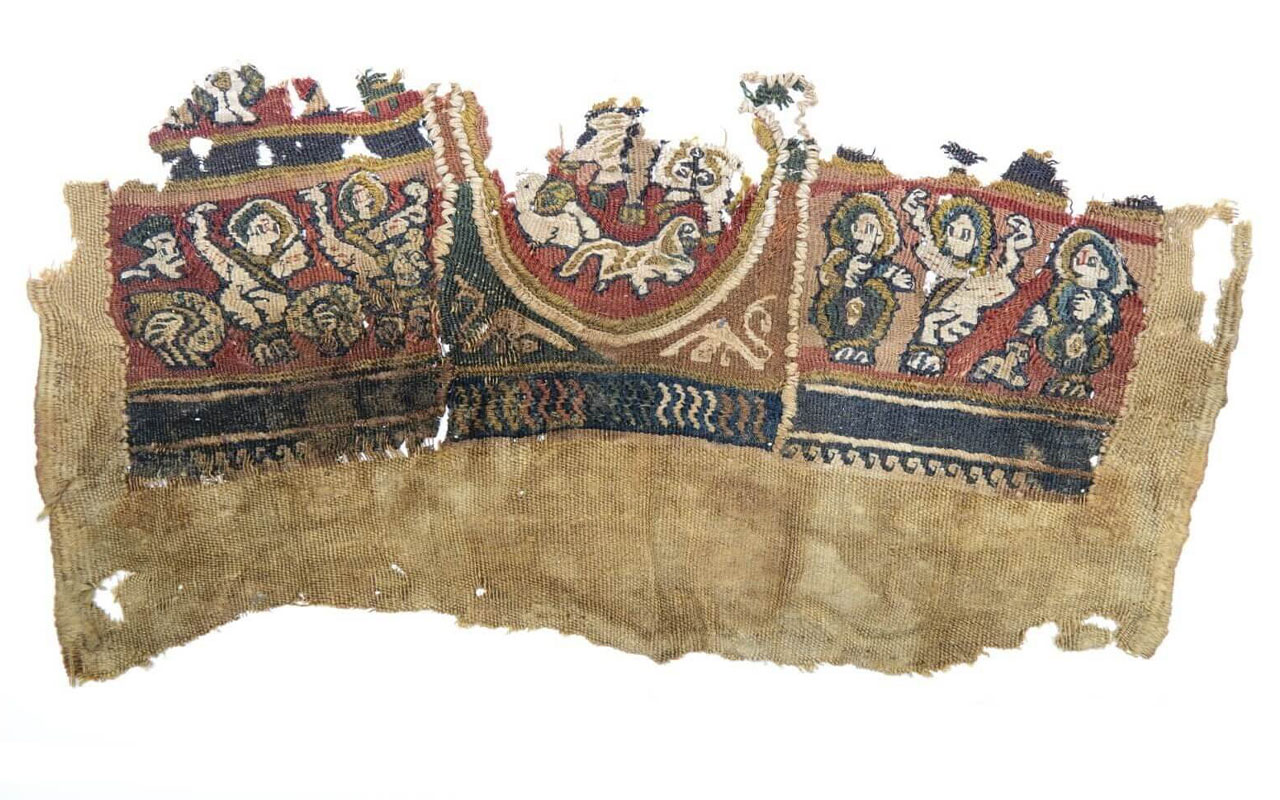
Sleeve Band
Taffeta. Linen and wool.
5th–6th century AD – Roman-Byzantine Period
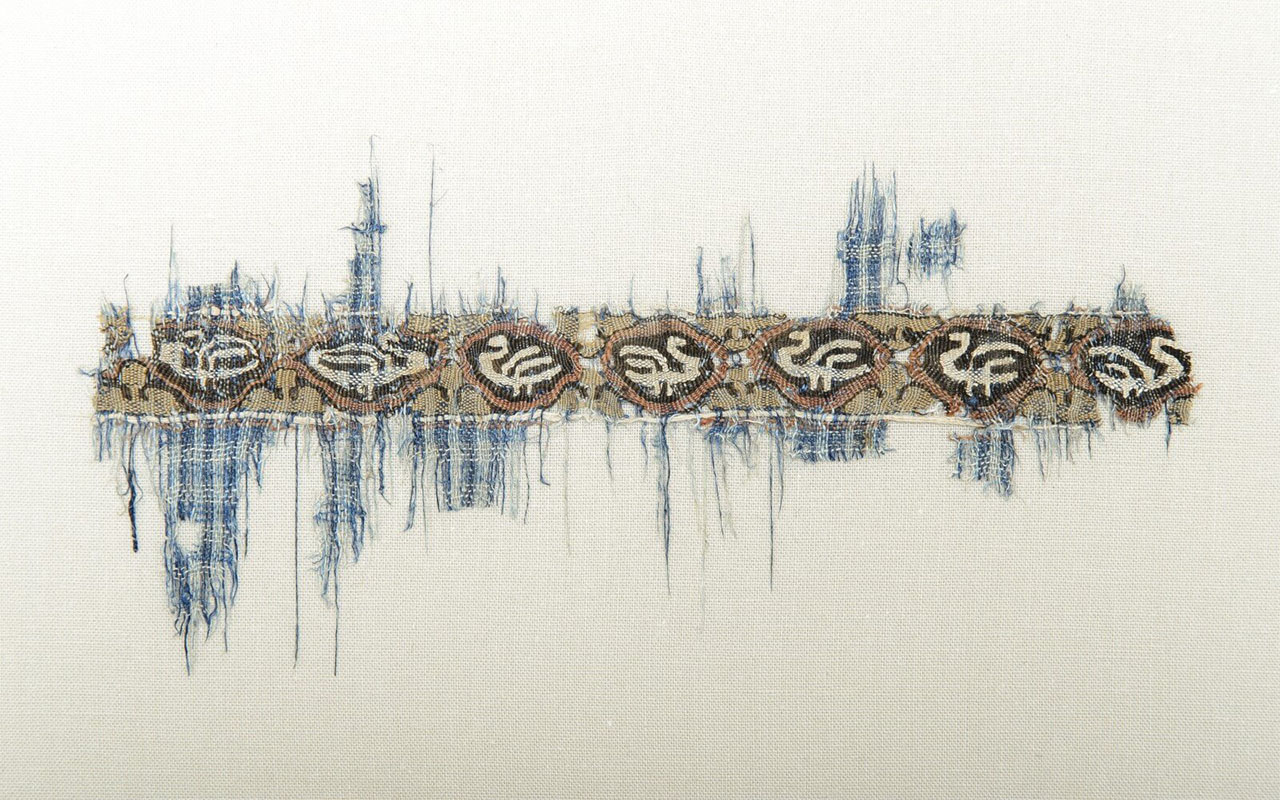
Decorative Tunic Band
Taffeta. Linen, cotton, and silk.
11th century AD – Arab Period
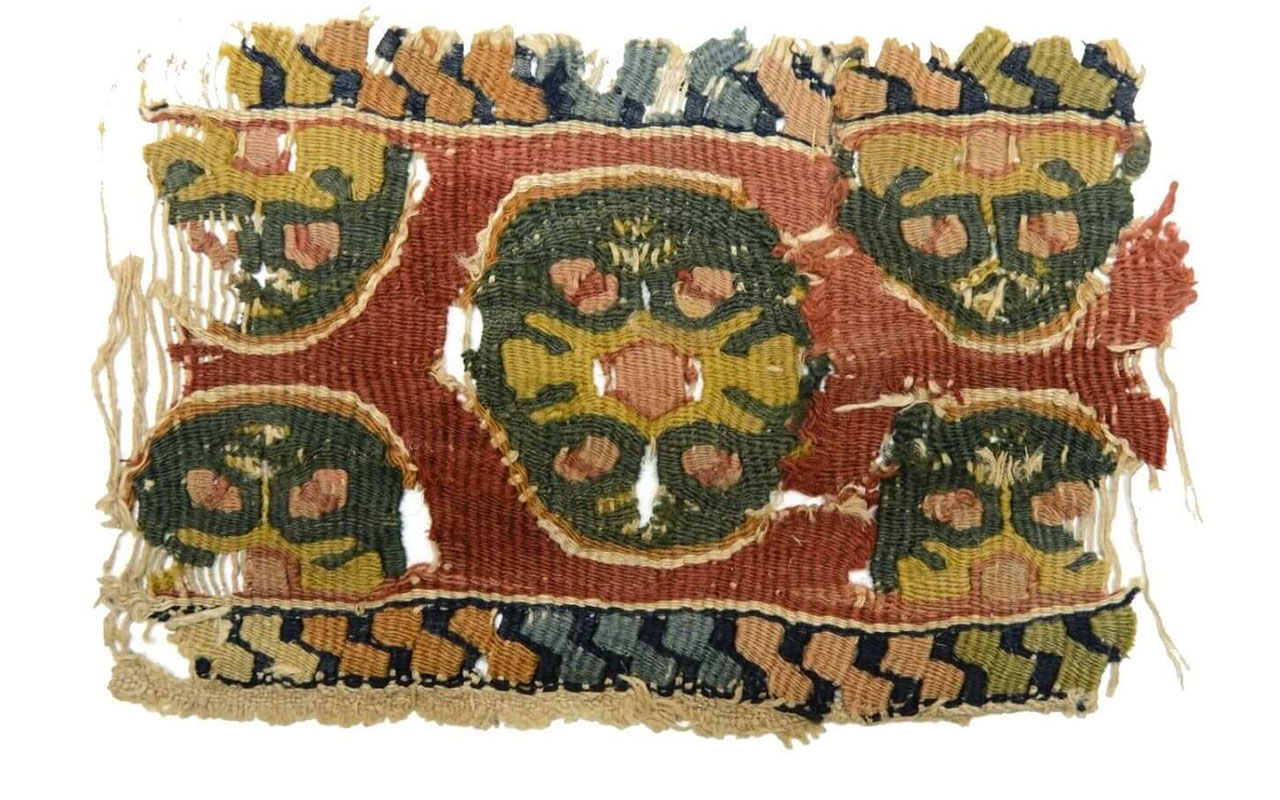
Decorative Band
Taffeta. Linen and wool.
8th–10th century AD – Byzantine Period
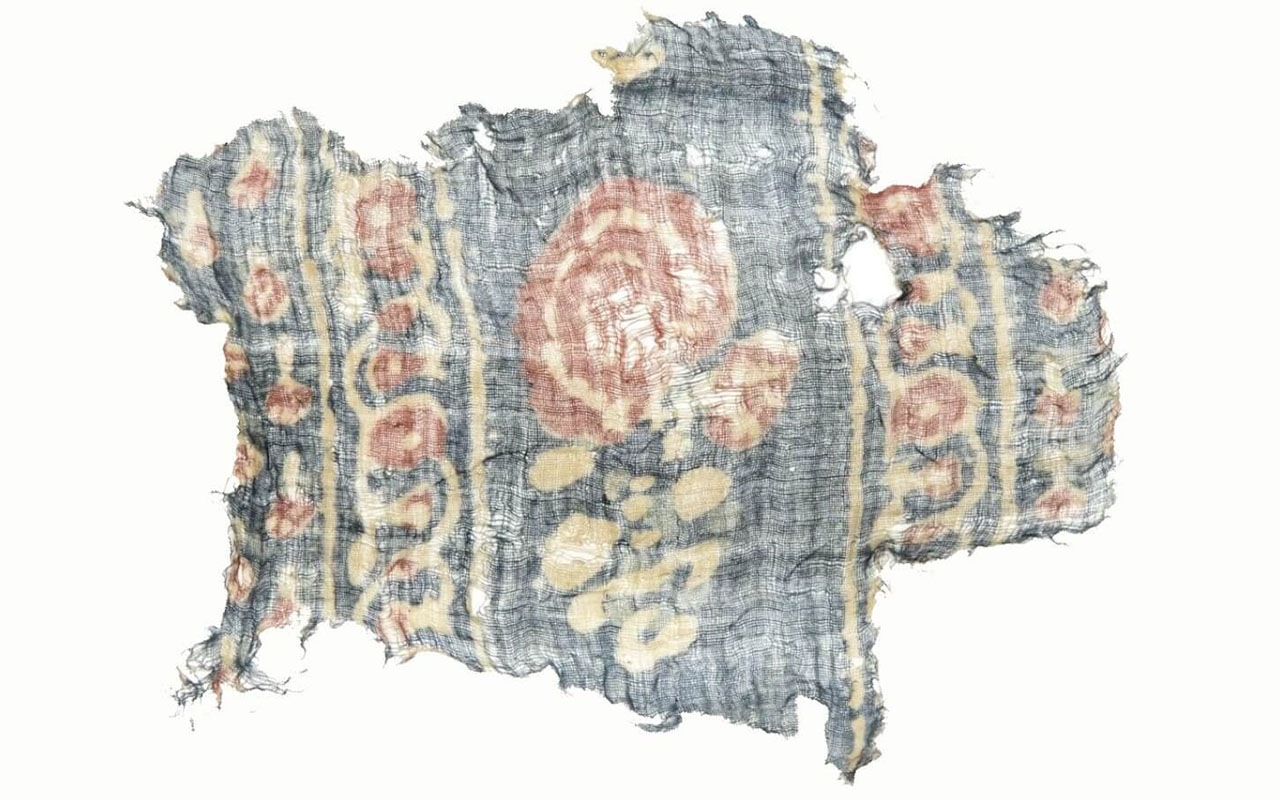
Decorative Shawl Band
Taffeta. Linen and wool.
11th century AD – Arab Period
Ancient Numismatics
During his many travels, Fr. Bonaventura Ubach acquired ancient coins to illustrate and contextualize the birth and history of the Jewish people.
The collection includes Greek coins, Roman colonial coins from Egypt and Palestine, and Jewish coins minted during the Second Jewish Revolt (132–136 AD).
Later, in 2014, Dr. Albert Anguera i Bosqué donated his extensive collection of Roman Republican and Imperial coins to the Abbey, further enriching the monastery's ancient numismatic collection.
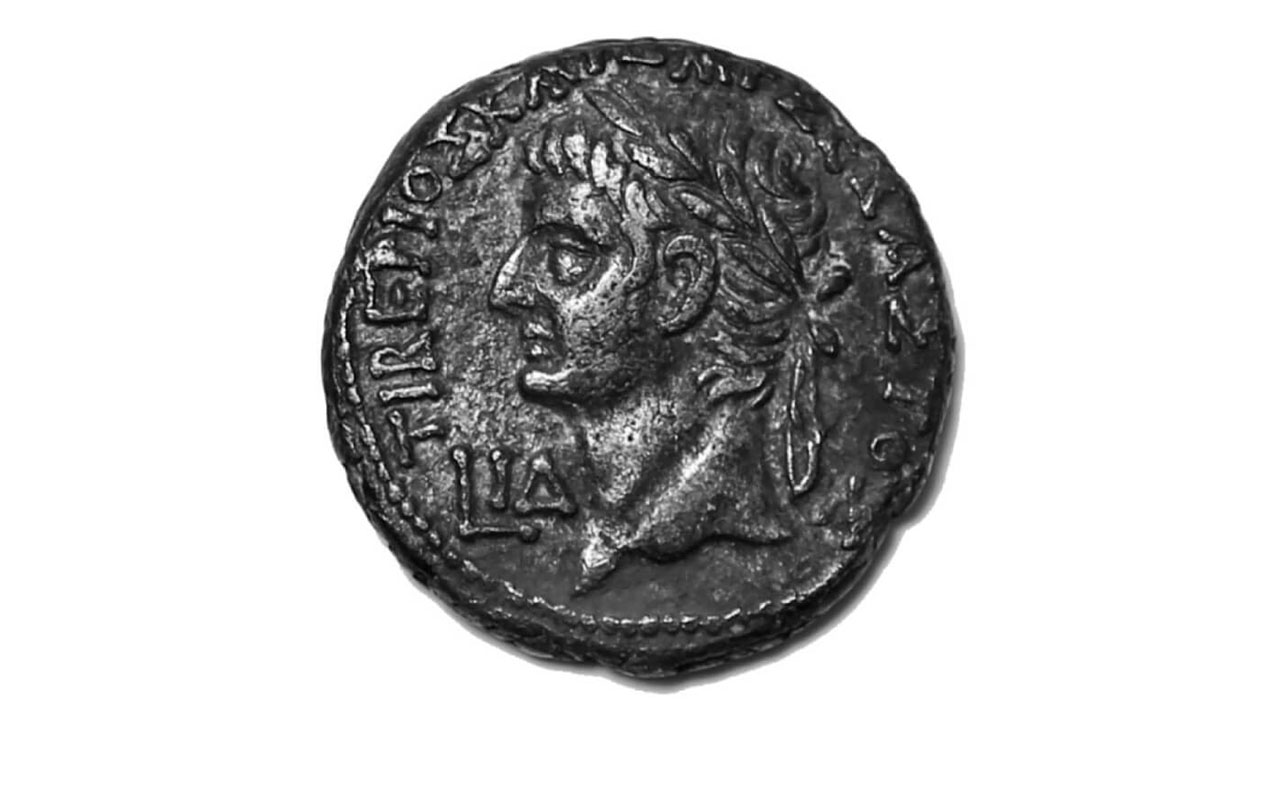
Tetradrachm of Tiberius
Bust of Tiberius with a laurel wreath. Obverse. 27–28 AD, Alexandria, Egypt
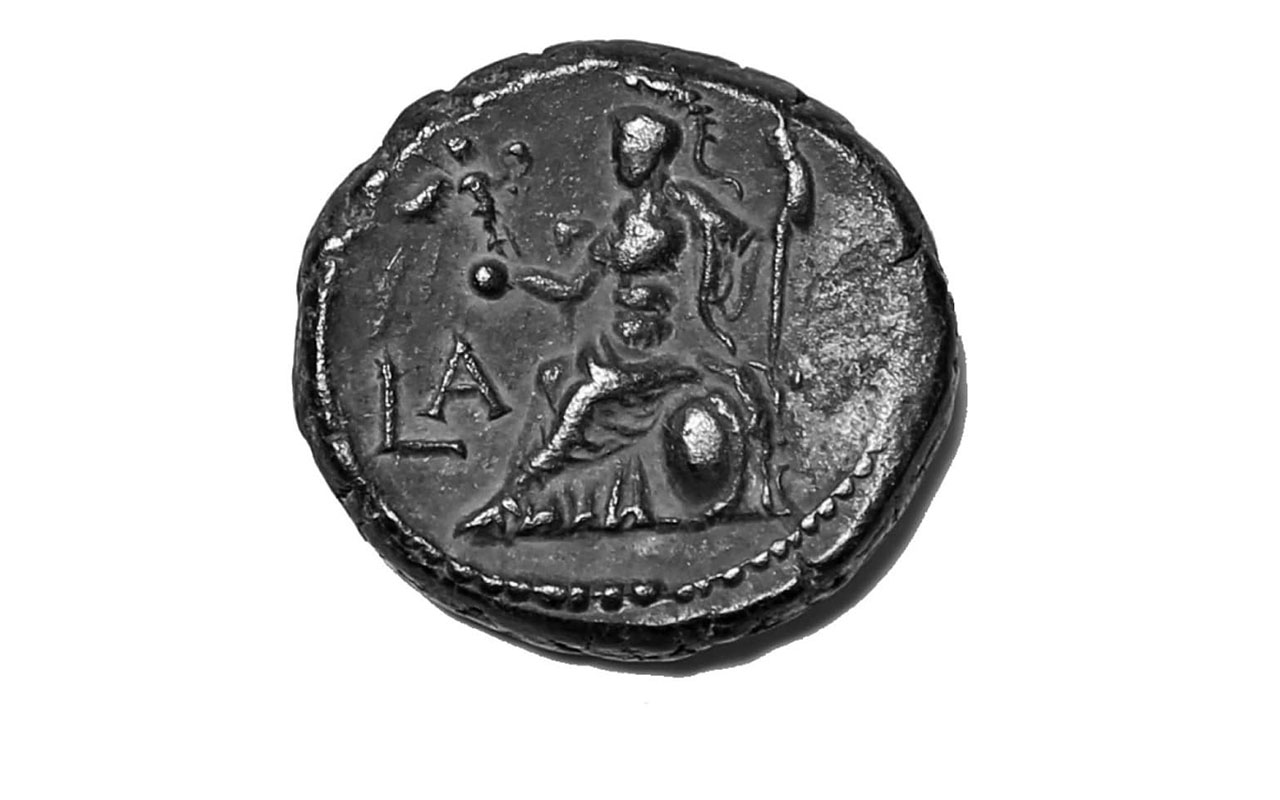
Tetradrachm of Balbinus
Athena seated on a shield, holding a Nike and a scepter. Reverse. 238 AD, Alexandria, Egypt
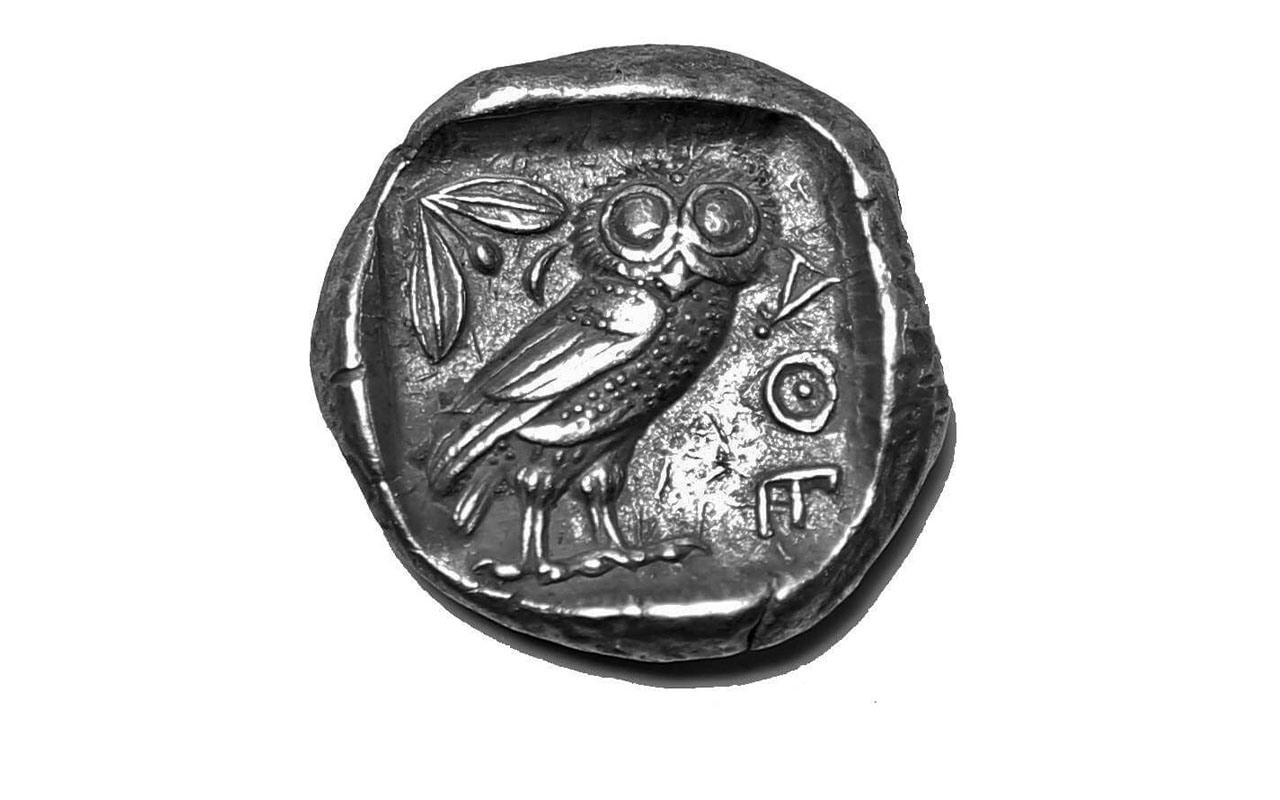
Tetradrachm of Athens
Standing owl with an olive branch and crescent moon. Reverse. 27–28 AD, Alexandria, Egypt
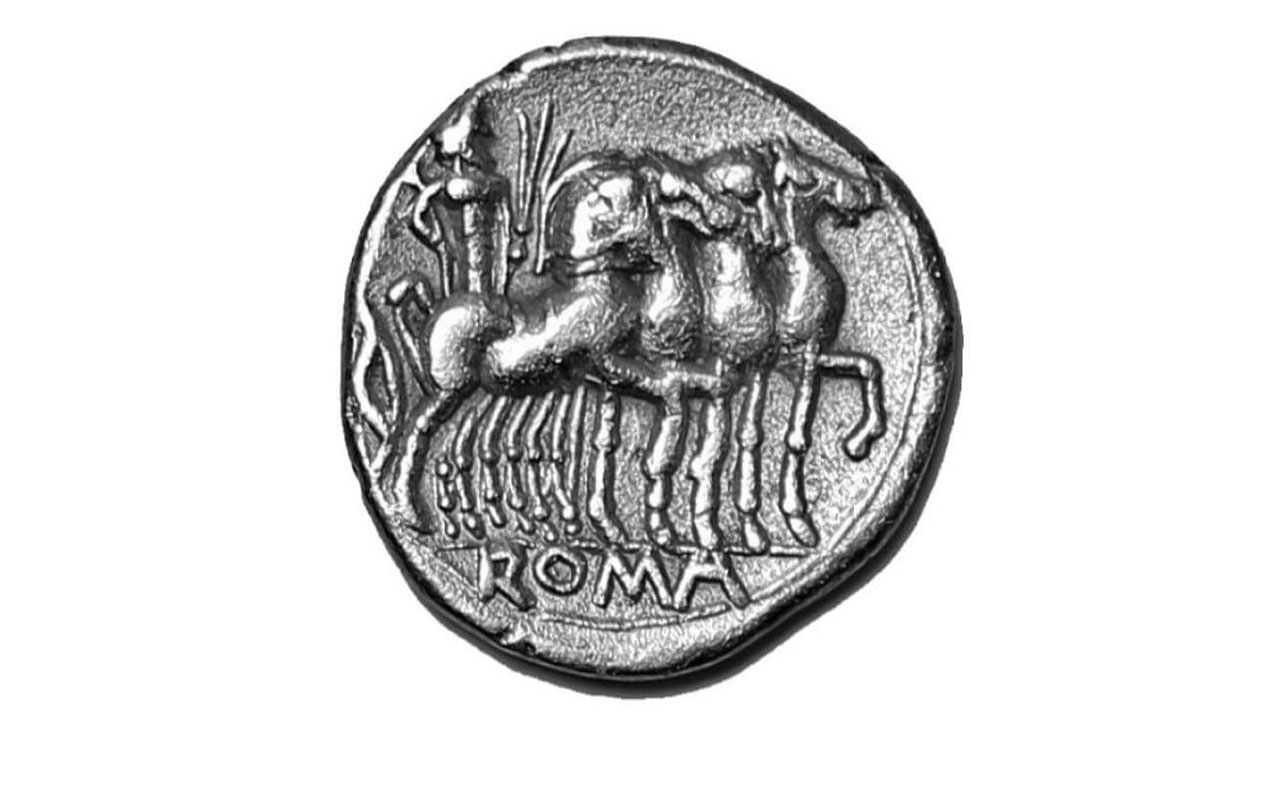
Denarius of Marcus Vargunteius
Jupiter in a quadriga holding a laurel wreath and whip. Reverse. 130 BC, Rome, Italy. Donation of Dr. Albert Anguera i Bosqué
Photographic Archive
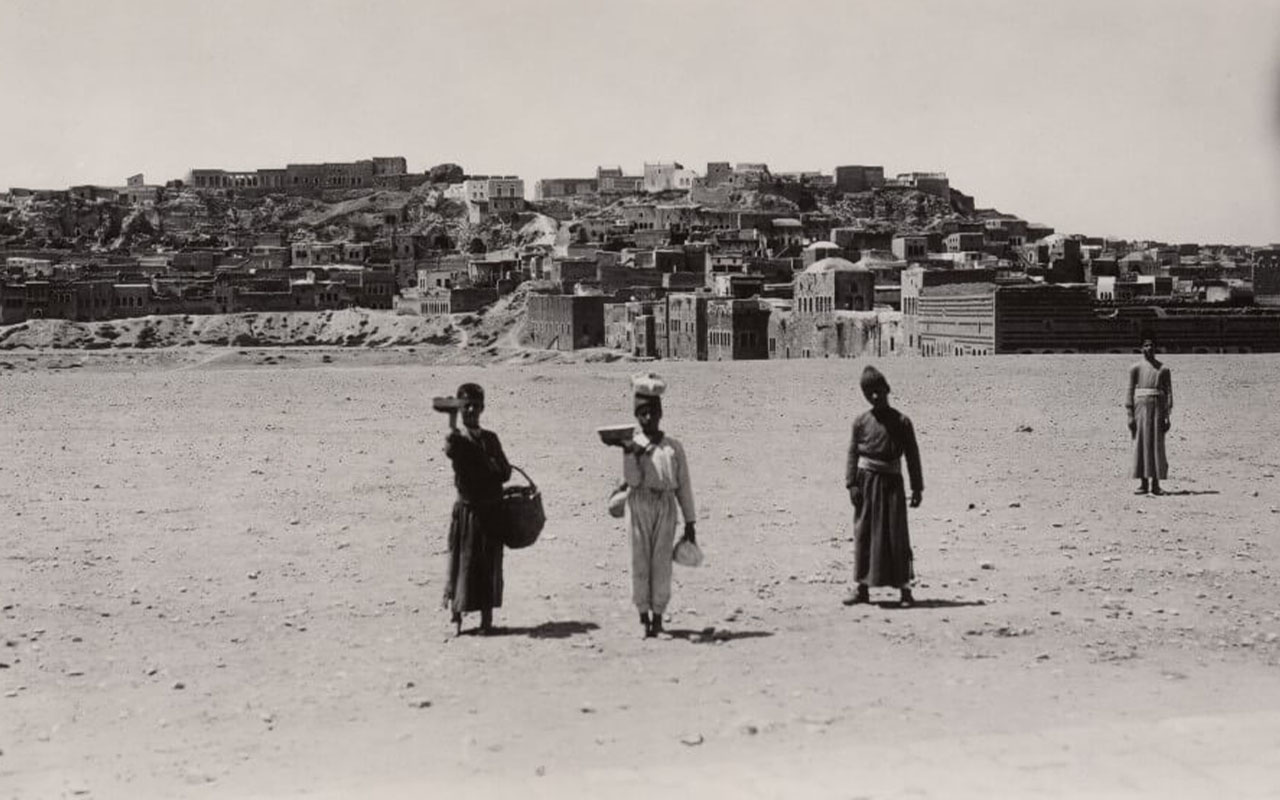
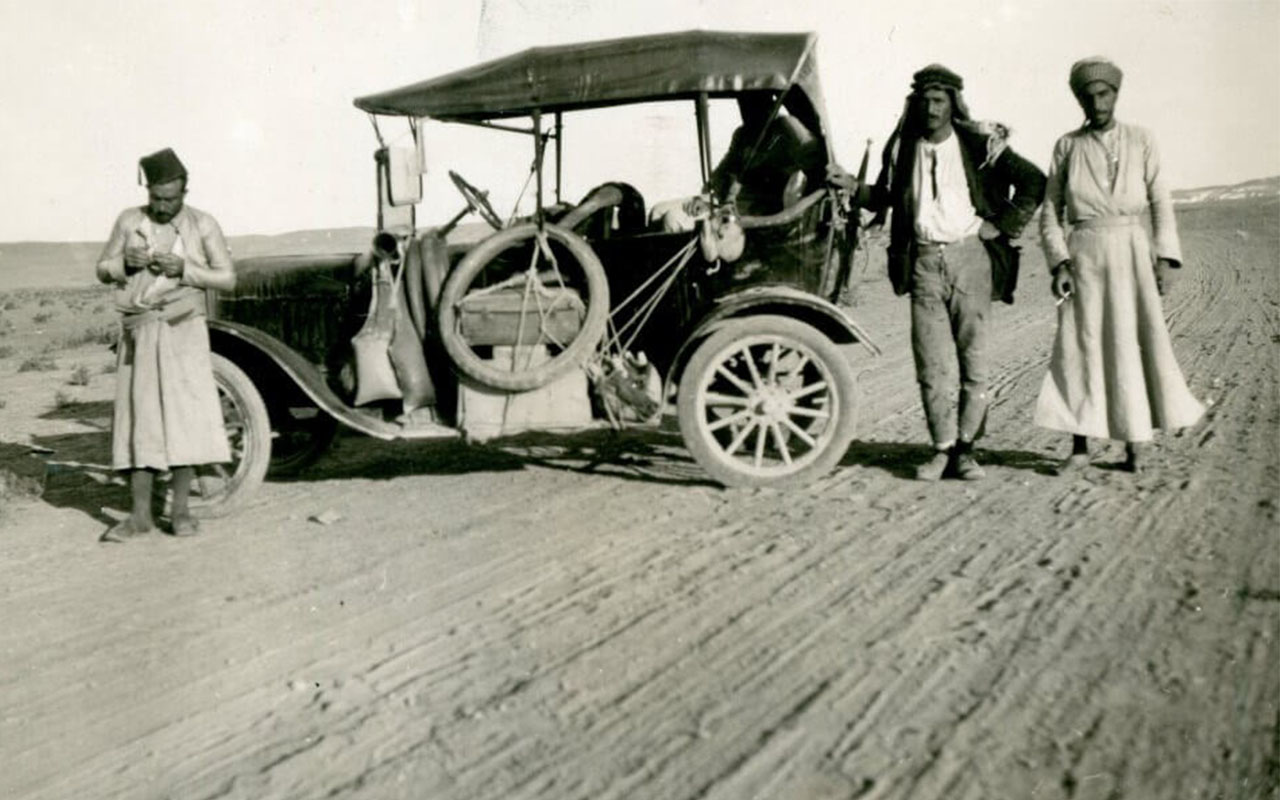
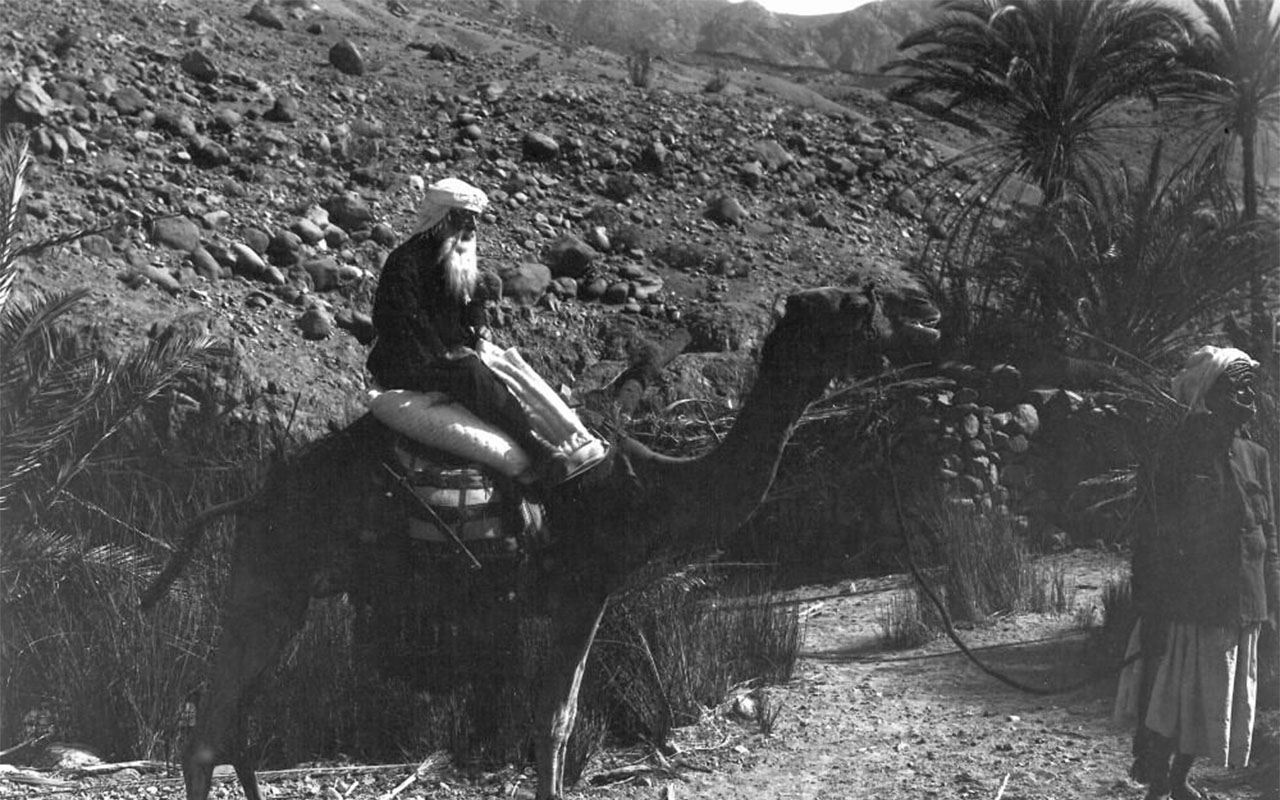
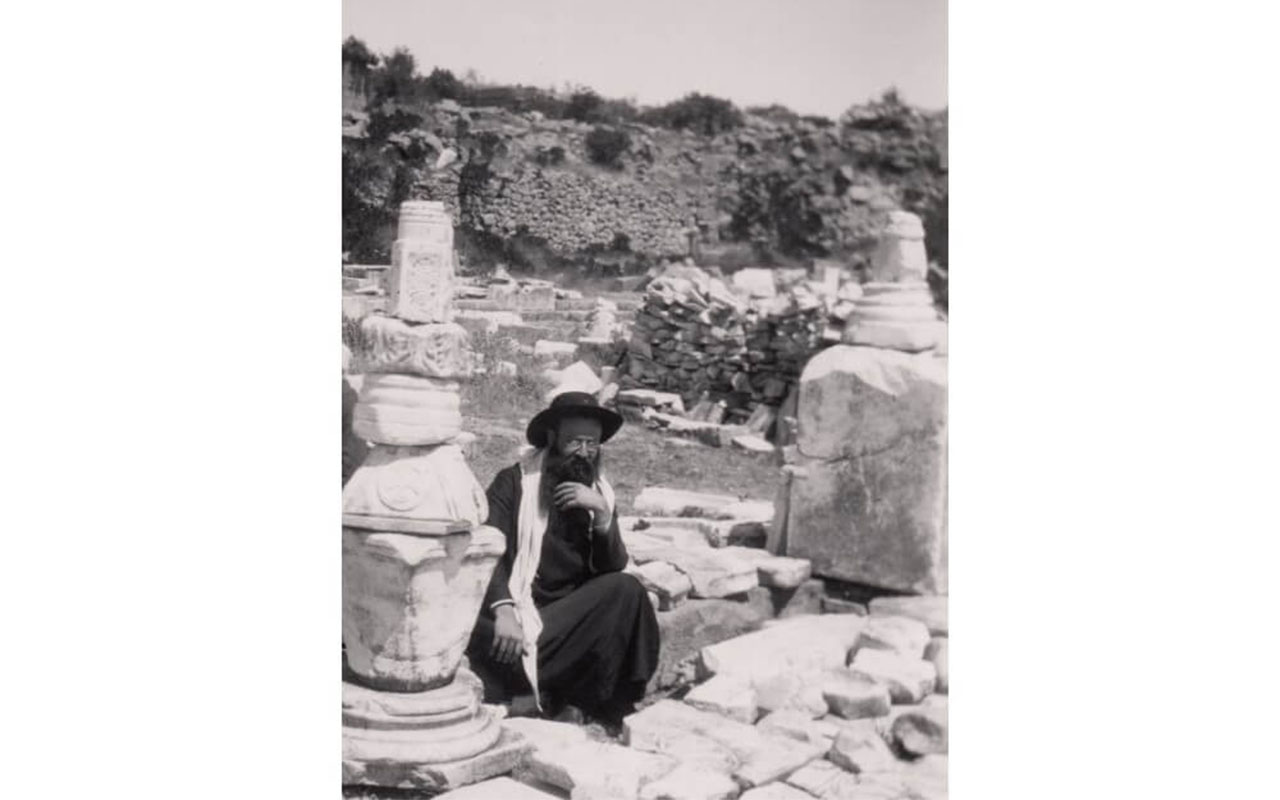
During the travels he undertook to illustrate the Bible, Fr. Ubach photographed everything that caught his attention: buildings, monuments, shrines, people, and scenes of daily life in the towns and cities he visited. As a result, the photographic archive he left to Montserrat contains over 6,000 photographs in various formats and media.
Recently, thanks to an agreement with the European Institute of the Mediterranean, Fr. Ubach's photographic collection was preserved, digitized, and cataloged to make it publicly accessible.
Contact
You can reach us at: scriptorium@abadiamontserrat.net