



6 November 2026
Saint Severus and Saint Leonard of Noblac
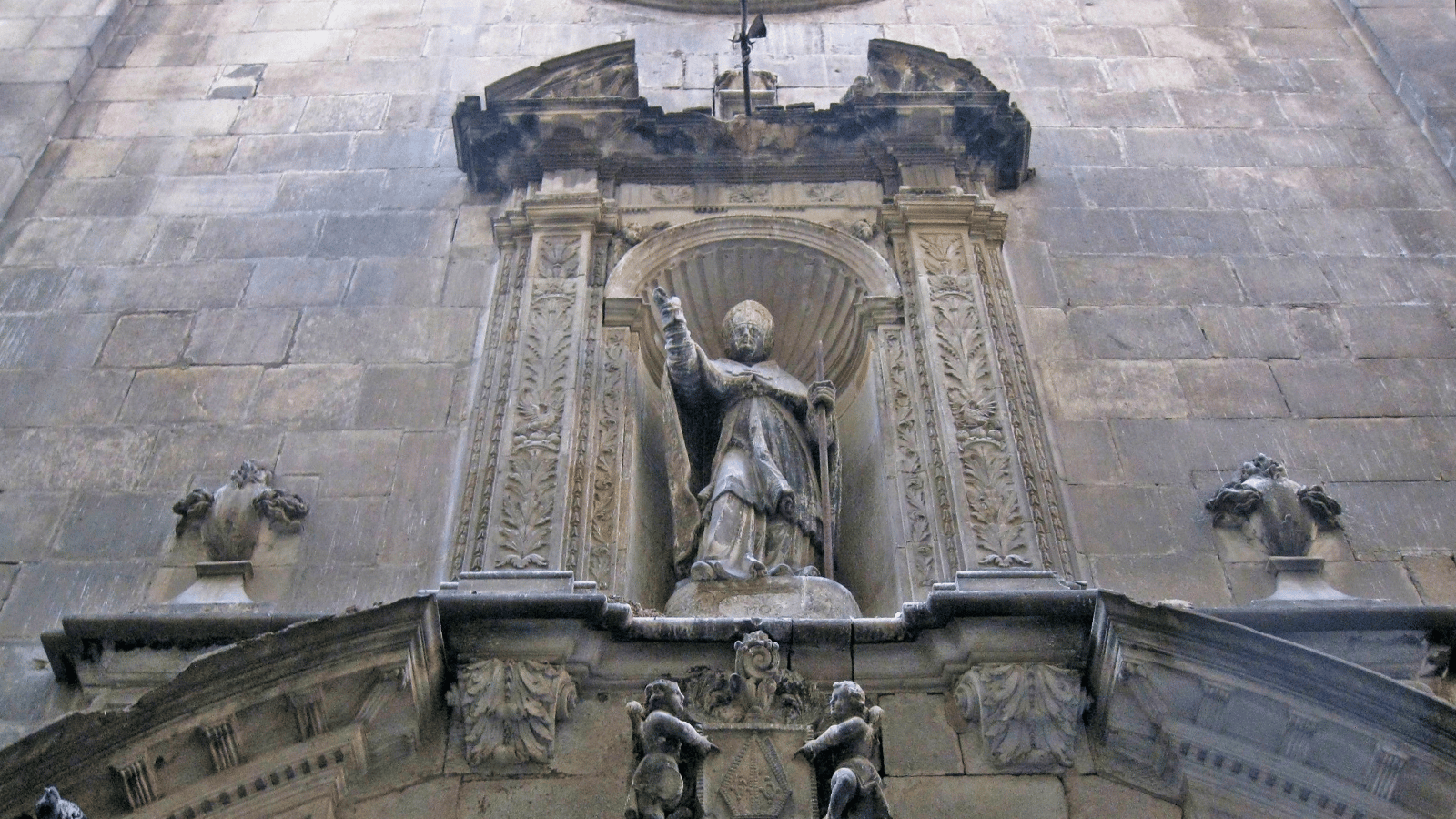
Today, November 6th, we celebrate the feast of: Saint Severus, bishop and martyr; and Saint Leonard of Noblac or of Limoges, religious.
Saint Severus, bishop and martyr
He was a bishop of Barcelona who was greatly venerated during the Middle Ages, although very little historical evidence remains about his life. According to the catalog of bishops of Barcelona, he served between 613 and 636; however, since he is recognized as a martyr, his life should likely be placed earlier, during the Arian conflicts. In Sant Cugat del Vallès and later in the cathedral of Barcelona—until their disappearance in the 19th century—the relics of a bishop of Barcelona who died around 633 were venerated. Saint Severus is the secondary patron saint of the Archdiocese of Barcelona.
A popular, albeit unhistorical, legend frames him as a martyr of the Diocletianic Persecution (AD 304): while fleeing Barcelona, Saint Severus encountered the farmer Saint Emeterius (Medir) sowing fava beans. As he pressed on, the bishop asked the farmer to speak the truth if questioned and, in gratitude, struck a rock with the tassels of his vestment,causing water to gush forth instantly—thus forming the Spring of Saint Severus. The pursuing soldiers found Medir resting beside his beans, which had miraculously grown and blossomed that very day. When asked about the bishop, he replied that he had seen him while planting the beans. Believing he was mocking them, the soldiers arrested him and soon captured Saint Severus nearby. Taken to Sant Cugat del Vallès, Saint Severus was martyred by having a long nail driven through his head, while Saint Medir was executed by the sword.
Saint Leonard of Noblac or of Limoges, religious
He lived in Gaul during the 6th century. According to tradition, he was of noble lineage. When Saint Remigius, Bishop of Reims, converted the Merovingian King Clovis I to Christianity, the court followed his example; among those baptized were Saint Leonard and his relatives. The young man obtained permission from the king to release any prisoners he deemed worthy of freedom. He traveled throughout Gaul setting numerous captives free, gaining great popular devotion.Out of gratitude, the monarchs granted him land in Noblac, near Limoges, where he established an abbey. He died around the year 559, and his veneration spread widely across Western Europe during the Late Middle Ages.
Array
(
    [ID] => 65
    [actiu] => 1
    [fecha] => 1793919600
    [cicle] => -
    [titol] => Saint Severus and Saint Leonard of Noblac
    [entradeta] =>
    [cos] => Today, November 6th, we celebrate the feast of: Saint Severus, bishop and martyr; and Saint Leonard of Noblac or of Limoges, religious.


Saint Severus, bishop and martyr


He was a bishop of Barcelona who was greatly venerated during the Middle Ages, although very little historical evidence remains about his life. According to the catalog of bishops of Barcelona, he served between 613 and 636; however, since he is recognized as a martyr, his life should likely be placed earlier, during the Arian conflicts. In Sant Cugat del Vallès and later in the cathedral of Barcelona—until their disappearance in the 19th century—the relics of a bishop of Barcelona who died around 633 were venerated. Saint Severus is the secondary patron saint of the Archdiocese of Barcelona.


A popular, albeit unhistorical, legend frames him as a martyr of the Diocletianic Persecution (AD 304): while fleeing Barcelona, Saint Severus encountered the farmer Saint Emeterius (Medir) sowing fava beans. As he pressed on, the bishop asked the farmer to speak the truth if questioned and, in gratitude, struck a rock with the tassels of his vestment,causing water to gush forth instantly—thus forming the Spring of Saint Severus. The pursuing soldiers found Medir resting beside his beans, which had miraculously grown and blossomed that very day. When asked about the bishop, he replied that he had seen him while planting the beans. Believing he was mocking them, the soldiers arrested him and soon captured Saint Severus nearby. Taken to Sant Cugat del Vallès, Saint Severus was martyred by having a long nail driven through his head, while Saint Medir was executed by the sword.


Saint Leonard of Noblac or of Limoges, religious


He lived in Gaul during the 6th century. According to tradition, he was of noble lineage. When Saint Remigius, Bishop of Reims, converted the Merovingian King Clovis I to Christianity, the court followed his example; among those baptized were Saint Leonard and his relatives. The young man obtained permission from the king to release any prisoners he deemed worthy of freedom. He traveled throughout Gaul setting numerous captives free, gaining great popular devotion.Out of gratitude, the monarchs granted him land in Noblac, near Limoges, where he established an abbey. He died around the year 559, and his veneration spread widely across Western Europe during the Late Middle Ages.
    [imatge] => https://montserrat.sobrevia.net/gestiobeta/arxius/montserrat/santoral/abadiaeng_65.jpg
)