



28 September 2026
Saint Wenceslaus, Saint Lorenzo Ruiz and companions and Blessed Francesc Castelló
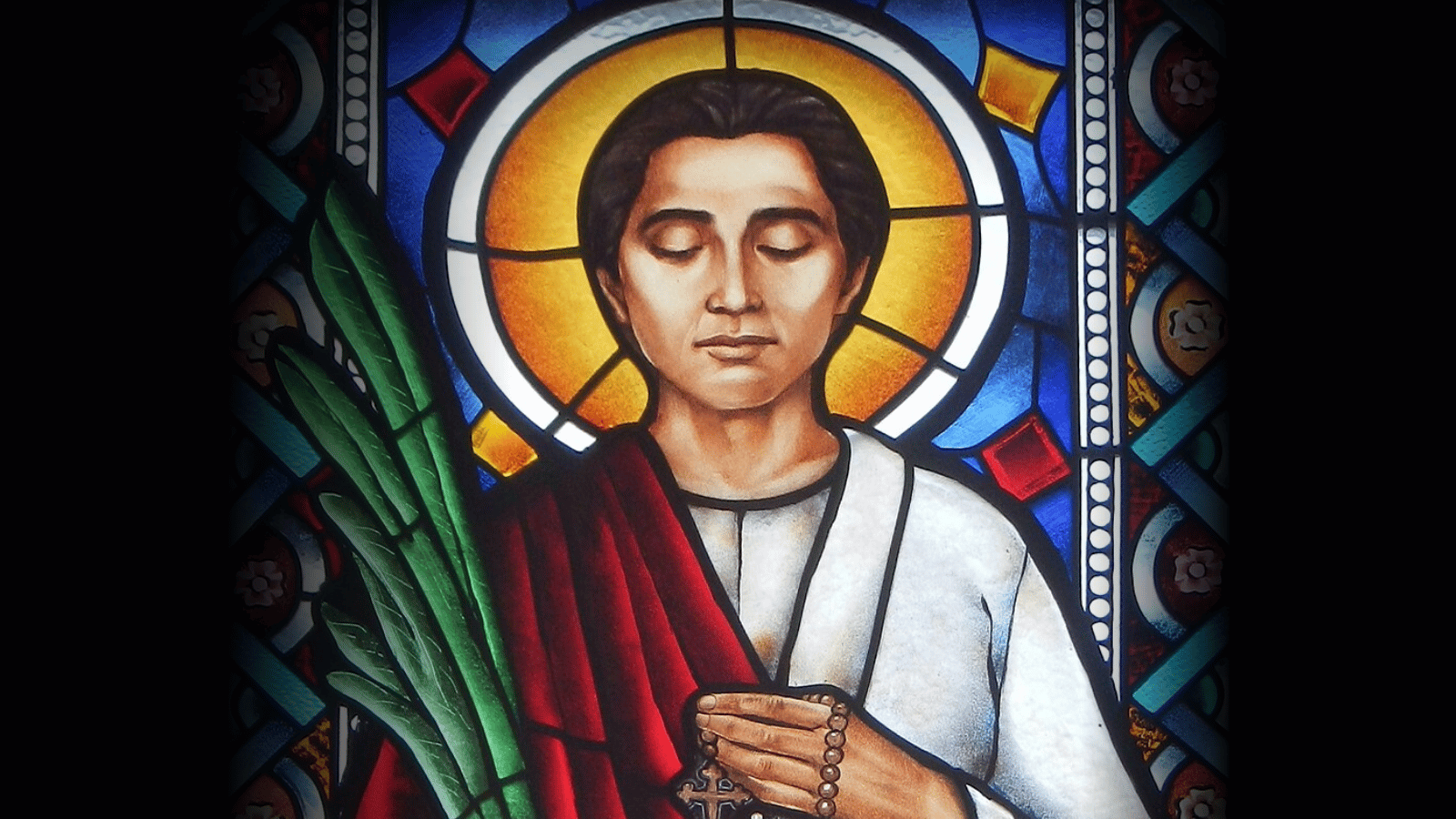
Today, September 28th, we celebrate: the feast of Saint Wenceslaus, martyr; of Saint Lorenzo Ruiz and companions, martyrs; and of Blessed Francesc Castelló i Aleu, martyr.
Saint Wenceslaus, martyr
He was born in Prague around the year 907 and, while still very young, became Duke of Bohemia. Raised in the Christian faith by his grandmother, Saint Ludmila, he worked to consolidate Christianity in his territory and governed with a spirit of justice and service. According to an ancient tradition, he would rise at night, walk barefoot to churches, and distribute alms to widows, orphans, prisoners, and the poor. This image inspired a well-known 19th-century English carol: Good King Wenceslas.
His brother Boleslaus, opposed to his policies, ordered his death in the year 935. Wenceslaus was immediately venerated as a martyr, and his tomb in Prague soon became a major pilgrimage site. He is venerated as the patron saint of the Czech nation.
Saint Lorenzo Ruiz and companions, martyrs
Between 1633 and 1637, sixteen Christians linked to the Dominican family were martyred in Japan during the persecution of Christians. The group consisted of nine Japanese, four Spaniards, one Frenchman, one Italian, and the Filipino Lorenzo Ruiz. All bore witness to their faith amidst severe torture and died in or around Nagasaki.
Lorenzo Ruiz was born in Manila; he was a married layman and father who collaborated with the Dominicans. In 1632, he left for Japan with a group of missionaries and, after being captured, was subjected to torture and finally executed in Nagasaki in 1637. He is venerated as the first Filipino saint and as a testimony to the faith of the laity. They were canonized in 1987.
Blessed Francesc Castelló, martyr
He was born in Alicante in 1914 and, after his father's death, his family returned to Lleida. He studied with the Marist Brothers and later at the Chemical Institute of Sarrià. Upon returning to Lleida, he worked as a chemical engineer and combined his professional life with intense apostolic work as a member of the Marian Congregation, Catholic Action, and the Federation of Young Christians of Catalonia.
Arrested in July 1936 and imprisoned for his faith, he was tried before the People's Tribunal of Lleida. When asked if he acknowledged being Catholic, he answered: “Yes, I am Catholic.” The president then asked if he wished to defend himself, and he replied: “It is not necessary. Why? If being Catholic is a crime, I gladly accept being a criminal, since the greatest happiness man can find in this world is to die for Christ. And if I had a thousand lives, I would give them without a moment's hesitation for this cause.” Sentenced to death, he was executed by firing squad at the gate of the Lleida cemetery on the morning of September 30. During his captivity, he wrote three letters, notably to his fiancée, which stand as a testament to faith, serenity, and forgiveness. He was beatified in 2001.
Array
(
    [ID] => 26
    [actiu] => 1
    [fecha] => 1790546400
    [cicle] => -
    [titol] => Saint Wenceslaus, Saint Lorenzo Ruiz and companions and Blessed Francesc Castelló
    [entradeta] =>
    [cos] => Today, September 28th, we celebrate: the feast of Saint Wenceslaus, martyr; of Saint Lorenzo Ruiz and companions, martyrs; and of Blessed Francesc Castelló i Aleu, martyr.


Saint Wenceslaus, martyr


He was born in Prague around the year 907 and, while still very young, became Duke of Bohemia. Raised in the Christian faith by his grandmother, Saint Ludmila, he worked to consolidate Christianity in his territory and governed with a spirit of justice and service. According to an ancient tradition, he would rise at night, walk barefoot to churches, and distribute alms to widows, orphans, prisoners, and the poor. This image inspired a well-known 19th-century English carol: Good King Wenceslas.


His brother Boleslaus, opposed to his policies, ordered his death in the year 935. Wenceslaus was immediately venerated as a martyr, and his tomb in Prague soon became a major pilgrimage site. He is venerated as the patron saint of the Czech nation.


Saint Lorenzo Ruiz and companions, martyrs


Between 1633 and 1637, sixteen Christians linked to the Dominican family were martyred in Japan during the persecution of Christians. The group consisted of nine Japanese, four Spaniards, one Frenchman, one Italian, and the Filipino Lorenzo Ruiz. All bore witness to their faith amidst severe torture and died in or around Nagasaki.


Lorenzo Ruiz was born in Manila; he was a married layman and father who collaborated with the Dominicans. In 1632, he left for Japan with a group of missionaries and, after being captured, was subjected to torture and finally executed in Nagasaki in 1637. He is venerated as the first Filipino saint and as a testimony to the faith of the laity. They were canonized in 1987.


Blessed Francesc Castelló, martyr


He was born in Alicante in 1914 and, after his father's death, his family returned to Lleida. He studied with the Marist Brothers and later at the Chemical Institute of Sarrià. Upon returning to Lleida, he worked as a chemical engineer and combined his professional life with intense apostolic work as a member of the Marian Congregation, Catholic Action, and the Federation of Young Christians of Catalonia.


Arrested in July 1936 and imprisoned for his faith, he was tried before the People's Tribunal of Lleida. When asked if he acknowledged being Catholic, he answered: “Yes, I am Catholic.” The president then asked if he wished to defend himself, and he replied: “It is not necessary. Why? If being Catholic is a crime, I gladly accept being a criminal, since the greatest happiness man can find in this world is to die for Christ. And if I had a thousand lives, I would give them without a moment's hesitation for this cause.” Sentenced to death, he was executed by firing squad at the gate of the Lleida cemetery on the morning of September 30. During his captivity, he wrote three letters, notably to his fiancée, which stand as a testament to faith, serenity, and forgiveness. He was beatified in 2001.
    [imatge] => https://montserrat.sobrevia.net/gestiobeta/arxius/montserrat/santoral/abadiacat_1424.jpg
)