


23 September 2026
St. Pio of Pietrelcina, St. Thecla and St. Linus
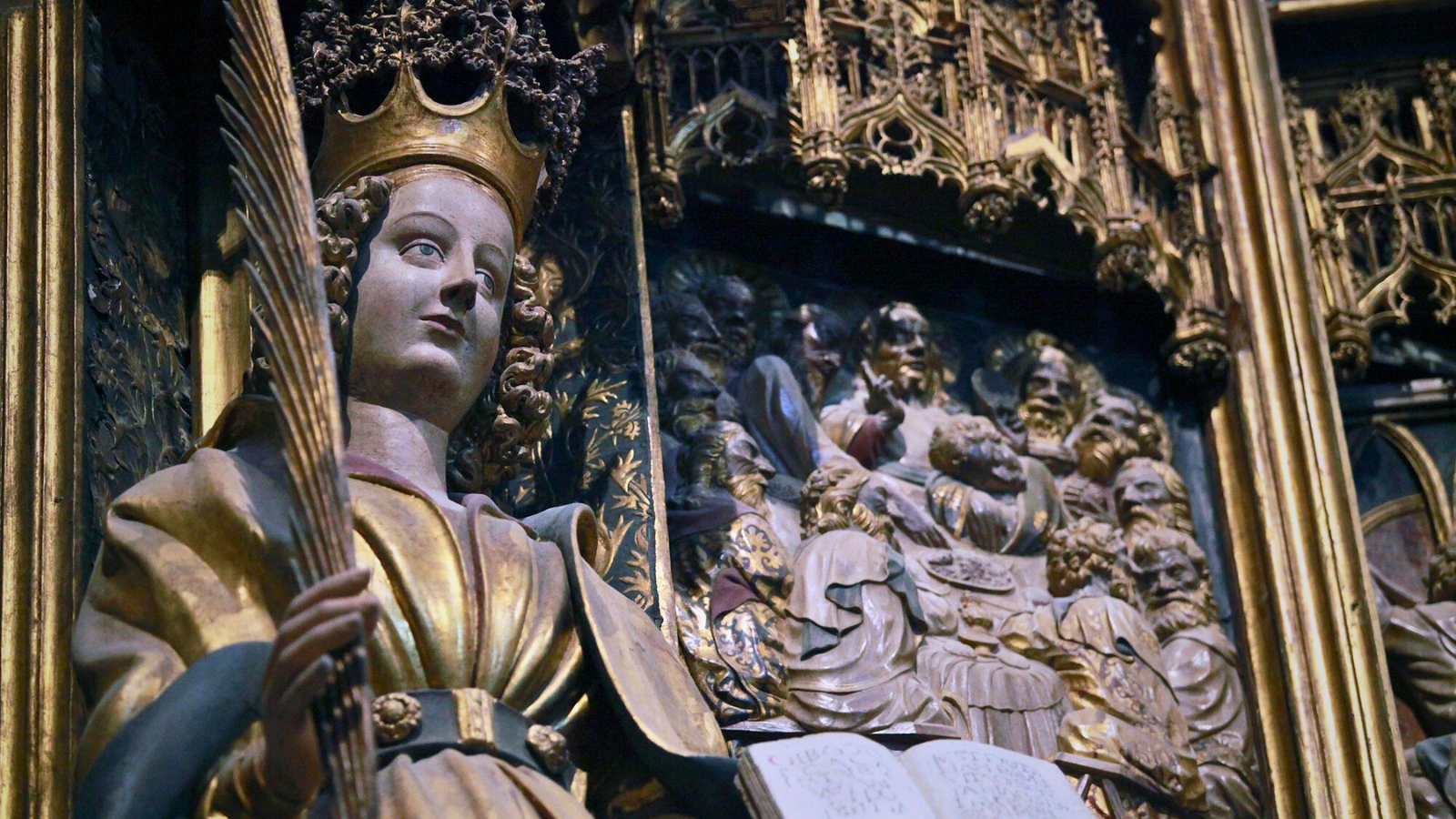
Today, September 23rd, we celebrate the feast of St. Pio of Pietrelcina, priest; St. Thecla, virgin and martyr; and St. Linus, pope and martyr.
St. Pio of Pietrelcina, priest
Francesco Forgione was born in Pietrelcina, in southern Italy, in 1887, into a humble farming family. At the age of fifteen, he entered the novitiate of the Capuchins of Morcone and took the name Pio of Pietrelcina. He was ordained a priest in 1910 and, from 1916 onwards, lived in San Giovanni Rotondo, where he exercised his priestly ministry and, above all, dedicated many hours to prayer and the sacrament of reconciliation. In 1918, while praying before a crucifix, he received the stigmata of Christ's Passion, which he kept until his death: "When I contemplate the cross upon Jesus' shoulders, I feel stronger and stronger and I taste a holy joy (...). Everything that Jesus suffered in His passion, I suffer too, as far as it is possible for a human creature." His reputation for holiness and the numerous mystical phenomena attributed to him also brought him suspicions and restrictions from ecclesiastical authorities. Prayer groups sprang up around him and, in 1956, he founded a large care center at the service of the sick. He died in San Giovanni Rotondo on September 23, 1968, at the age of eighty-one. He was canonized in 2002.
St. Thecla, virgin and martyr
Her name comes from the Greek Théos-Kleos, "glory of God." According to the tradition recorded in the Acts of Paul and Thecla, an apocrypha of the 2nd century, Thecla was born in Iconium, in present-day Turkey, and converted to Christianity upon hearing the preaching of the Apostle Paul. She decided to consecrate her life to Christ and rejected marriage, which brought her persecution and various death sentences from which, according to the account, she was miraculously saved. After following Paul on his journeys, she retired to her homeland and lived as an anchorite until an advanced age. Her cult spread very early throughout the Christian East and also reached the West, especially in places related to the presence of the apostle. Tarragona maintains an ancient link with the saint and venerates her as its patroness; in 1321, the relic of her arm arrived there from the East, which is still venerated today in the cathedral and is carried in a procession every September 23rd.
St. Linus, pope and martyr
The Apostle St. Paul remembers him among the Christians of Rome: "Linus greets you..." (2 Timothy 4:21). The oldest lists of Roman bishops also present him as the successor of Peter, and tradition places his pontificate between the years 68 and 79. According to an ancient tradition, he died a martyr and was buried in Rome, near the tomb of St. Peter.
Array
(
    [ID] => 21
    [actiu] => 1
    [fecha] => 1790114400
    [cicle] => -
    [titol] => St. Pio of Pietrelcina, St. Thecla and St. Linus
    [entradeta] =>
    [cos] => Today, September 23rd, we celebrate the feast of St. Pio of Pietrelcina, priest; St. Thecla, virgin and martyr; and St. Linus, pope and martyr.


St. Pio of Pietrelcina, priest


Francesco Forgione was born in Pietrelcina, in southern Italy, in 1887, into a humble farming family. At the age of fifteen, he entered the novitiate of the Capuchins of Morcone and took the name Pio of Pietrelcina. He was ordained a priest in 1910 and, from 1916 onwards, lived in San Giovanni Rotondo, where he exercised his priestly ministry and, above all, dedicated many hours to prayer and the sacrament of reconciliation. In 1918, while praying before a crucifix, he received the stigmata of Christ's Passion, which he kept until his death: "When I contemplate the cross upon Jesus' shoulders, I feel stronger and stronger and I taste a holy joy (...). Everything that Jesus suffered in His passion, I suffer too, as far as it is possible for a human creature." His reputation for holiness and the numerous mystical phenomena attributed to him also brought him suspicions and restrictions from ecclesiastical authorities. Prayer groups sprang up around him and, in 1956, he founded a large care center at the service of the sick. He died in San Giovanni Rotondo on September 23, 1968, at the age of eighty-one. He was canonized in 2002.


St. Thecla, virgin and martyr


Her name comes from the Greek Théos-Kleos, "glory of God." According to the tradition recorded in the Acts of Paul and Thecla, an apocrypha of the 2nd century, Thecla was born in Iconium, in present-day Turkey, and converted to Christianity upon hearing the preaching of the Apostle Paul. She decided to consecrate her life to Christ and rejected marriage, which brought her persecution and various death sentences from which, according to the account, she was miraculously saved. After following Paul on his journeys, she retired to her homeland and lived as an anchorite until an advanced age. Her cult spread very early throughout the Christian East and also reached the West, especially in places related to the presence of the apostle. Tarragona maintains an ancient link with the saint and venerates her as its patroness; in 1321, the relic of her arm arrived there from the East, which is still venerated today in the cathedral and is carried in a procession every September 23rd.


St. Linus, pope and martyr


The Apostle St. Paul remembers him among the Christians of Rome: "Linus greets you..." (2 Timothy 4:21). The oldest lists of Roman bishops also present him as the successor of Peter, and tradition places his pontificate between the years 68 and 79. According to an ancient tradition, he died a martyr and was buried in Rome, near the tomb of St. Peter.
    [imatge] => https://montserrat.sobrevia.net/gestiobeta/arxius/montserrat/santoral/abadiaeng_21.jpg
)