



16 September 2026
Saint Cornelius and Saint Cyprian
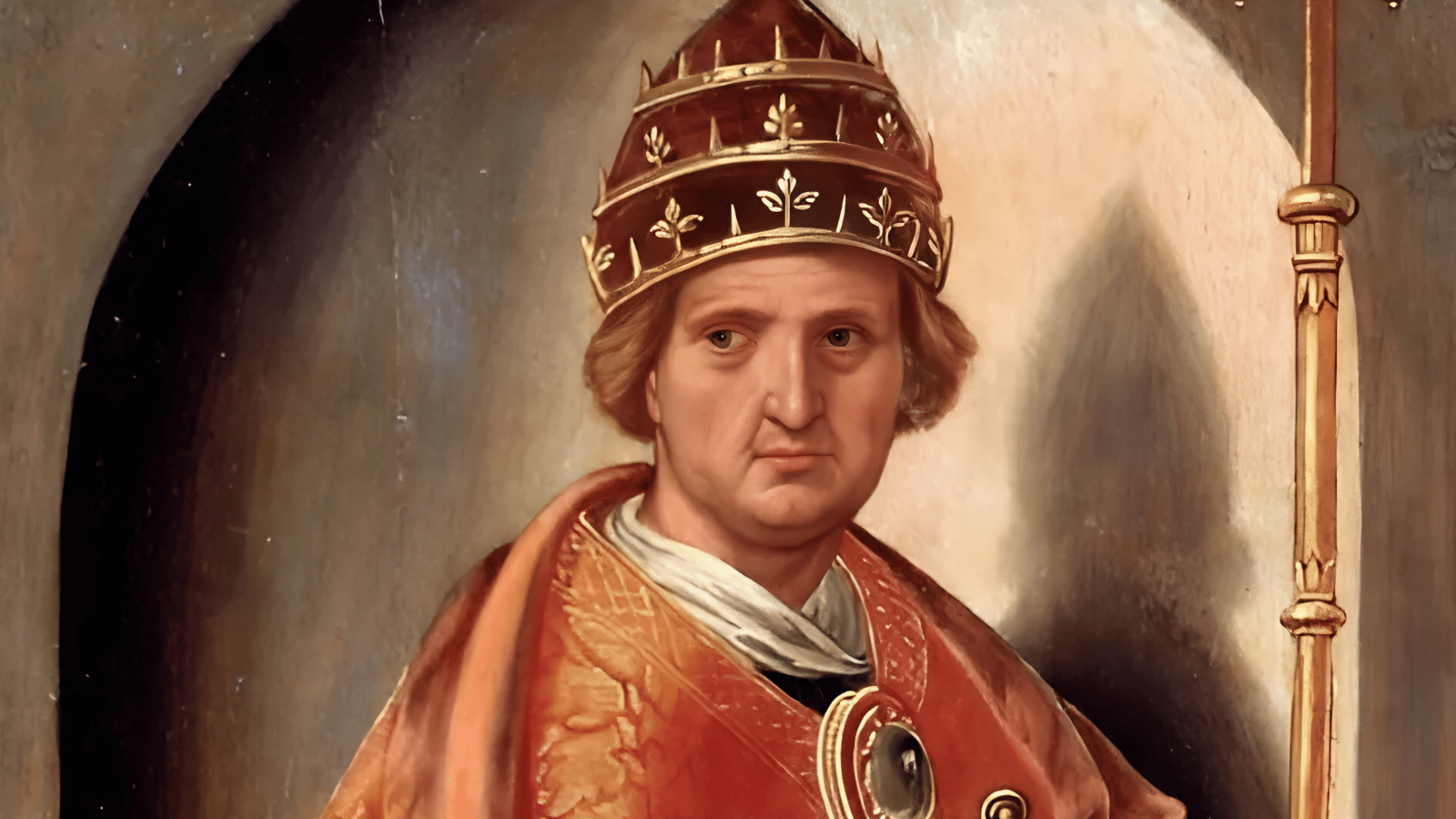
Today, September 16th, we celebrate the feast day of the martyrs: Saint Cornelius, pope, and Saint Cyprian, bishop. We celebrate their memory together because both maintained a solid friendship during their lives, based on the same faith and the same struggle. Both were witnesses of the faith in times of persecution and fought for the unity and faith of the Church.
Saint Cornelius, Pope and Martyr
Born at the end of the 2nd century, he was a priest in Rome when he was elected pope in the year 251, following the persecution of Emperor Decius. During his brief pontificate, he had to face the schism promoted by Novatian, who accused him of being too lenient with the lapsi—the Christians who had apostatized during the persecution and wished to return to the Church. According to Novatian, since the Church is a Church of saints, it cannot tolerate the presence of sinners in its midst. Cornelius, supported by Saint Cyprian and other bishops, defended that those who had fallen could be reconciled after an appropriate penance. With this stance, he contributed to preserving the unity of the Church.
During the persecution of Emperor Gallus, he was exiled to Centumcellae, modern-day Civitavecchia, where he died in the year 253. Saint Cyprian called him a martyr for the firmness with which he had defended the faith and the Church.
Saint Cyprian, Bishop and Martyr
Born in Carthage around the year 210, he was a prestigious rhetorician until, as an adult, he converted to Christianity in the year 246. Shortly thereafter, he was ordained a priest and, in the year 249, elected bishop of Carthage. During the persecutions, he had to live in hiding for a time, but he maintained intense correspondence with Christian communities and firmly defended the unity of the Church.
Closely linked to Pope Cornelius, he opposed the rigorism of the Novatians and defended that Christians who had apostatized could return to communion after a lengthy penance. He also left numerous writings on faith, Christian life, and the unity of the Church, among which the well-known statement stands out: 'He cannot have God for his Father who has not the Church for his Mother.' During the persecution of Valerian, he returned to Carthage to bear witness to his faith and was beheaded in the year 258.
Saint Cornelius, Pope and Martyr
Born at the end of the 2nd century, he was a priest in Rome when he was elected pope in the year 251, following the persecution of Emperor Decius. During his brief pontificate, he had to face the schism promoted by Novatian, who accused him of being too lenient with the lapsi—the Christians who had apostatized during the persecution and wished to return to the Church. According to Novatian, since the Church is a Church of saints, it cannot tolerate the presence of sinners in its midst. Cornelius, supported by Saint Cyprian and other bishops, defended that those who had fallen could be reconciled after an appropriate penance. With this stance, he contributed to preserving the unity of the Church.
During the persecution of Emperor Gallus, he was exiled to Centumcellae, modern-day Civitavecchia, where he died in the year 253. Saint Cyprian called him a martyr for the firmness with which he had defended the faith and the Church.
Saint Cyprian, Bishop and Martyr
Born in Carthage around the year 210, he was a prestigious rhetorician until, as an adult, he converted to Christianity in the year 246. Shortly thereafter, he was ordained a priest and, in the year 249, elected bishop of Carthage. During the persecutions, he had to live in hiding for a time, but he maintained intense correspondence with Christian communities and firmly defended the unity of the Church.
Closely linked to Pope Cornelius, he opposed the rigorism of the Novatians and defended that Christians who had apostatized could return to communion after a lengthy penance. He also left numerous writings on faith, Christian life, and the unity of the Church, among which the well-known statement stands out: 'He cannot have God for his Father who has not the Church for his Mother.' During the persecution of Valerian, he returned to Carthage to bear witness to his faith and was beheaded in the year 258.
Array
(
    [ID] => 14
    [actiu] => 1
    [fecha] => 1789509600
    [cicle] => -
    [titol] => Saint Cornelius and Saint Cyprian
    [entradeta] =>
    [cos] => Today, September 16th, we celebrate the feast day of the martyrs: Saint Cornelius, pope, and Saint Cyprian, bishop. We celebrate their memory together because both maintained a solid friendship during their lives, based on the same faith and the same struggle. Both were witnesses of the faith in times of persecution and fought for the unity and faith of the Church.


Saint Cornelius, Pope and Martyr


Born at the end of the 2nd century, he was a priest in Rome when he was elected pope in the year 251, following the persecution of Emperor Decius. During his brief pontificate, he had to face the schism promoted by Novatian, who accused him of being too lenient with the lapsi—the Christians who had apostatized during the persecution and wished to return to the Church. According to Novatian, since the Church is a Church of saints, it cannot tolerate the presence of sinners in its midst. Cornelius, supported by Saint Cyprian and other bishops, defended that those who had fallen could be reconciled after an appropriate penance. With this stance, he contributed to preserving the unity of the Church.

During the persecution of Emperor Gallus, he was exiled to Centumcellae, modern-day Civitavecchia, where he died in the year 253. Saint Cyprian called him a martyr for the firmness with which he had defended the faith and the Church.


Saint Cyprian, Bishop and Martyr


Born in Carthage around the year 210, he was a prestigious rhetorician until, as an adult, he converted to Christianity in the year 246. Shortly thereafter, he was ordained a priest and, in the year 249, elected bishop of Carthage. During the persecutions, he had to live in hiding for a time, but he maintained intense correspondence with Christian communities and firmly defended the unity of the Church.

Closely linked to Pope Cornelius, he opposed the rigorism of the Novatians and defended that Christians who had apostatized could return to communion after a lengthy penance. He also left numerous writings on faith, Christian life, and the unity of the Church, among which the well-known statement stands out: 'He cannot have God for his Father who has not the Church for his Mother.' During the persecution of Valerian, he returned to Carthage to bear witness to his faith and was beheaded in the year 258.
    [imatge] => https://montserrat.sobrevia.net/gestiobeta/arxius/montserrat/santoral/abadiaeng_14.jpg
)