




12 September 2026
Name of Mary with the title of Dulce, Our Ladies of Lluc and Estíbaliz, Saint Guy of Anderlecht and Saint Autonomus
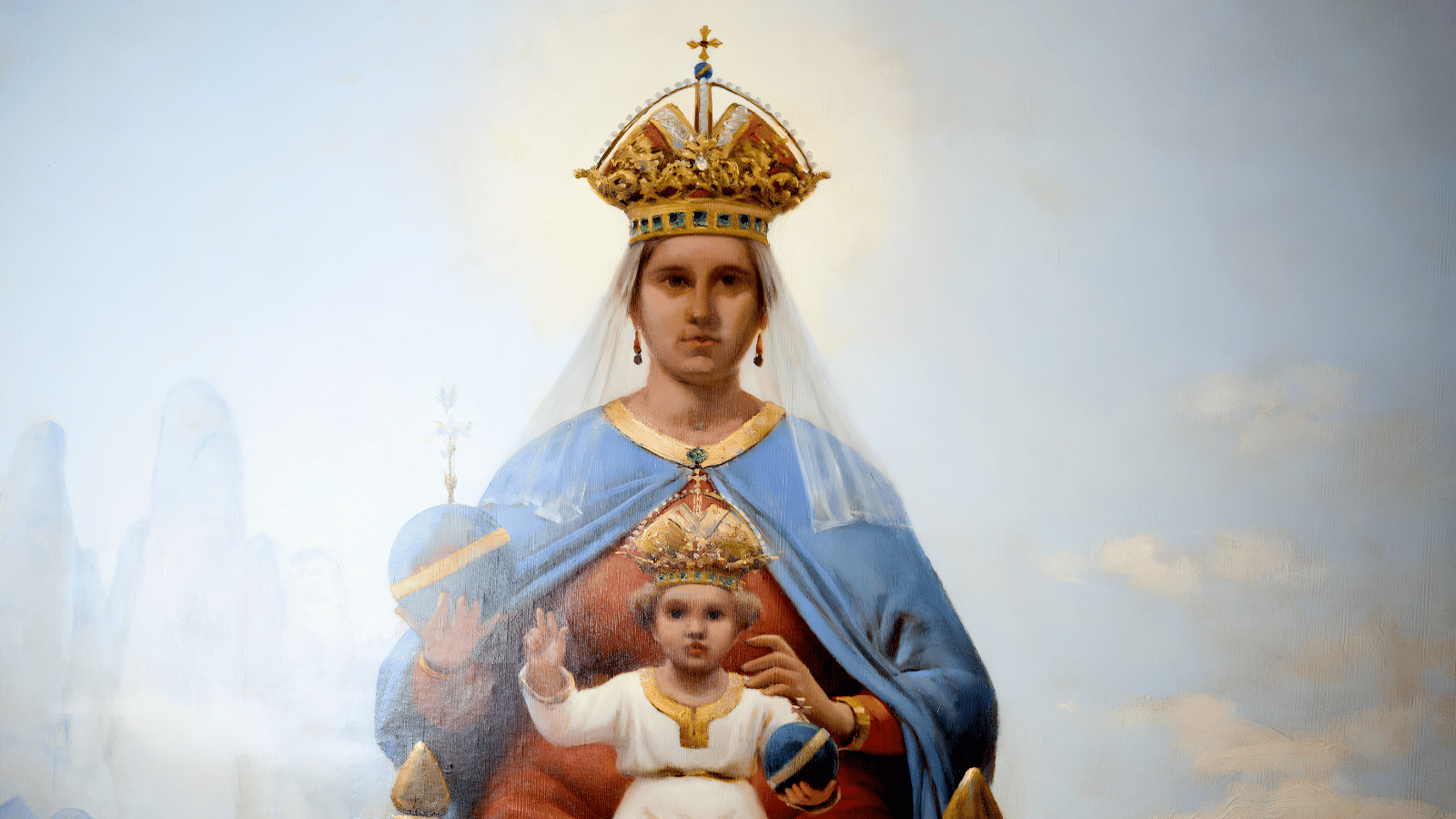
Today, September 12th, we celebrate the feast day of the Name of Mary with the title of Dulce, Our Ladies of Lluc and Estíbaliz, Saint Guy of Anderlecht, layman, and Saint Autonomus, bishop and martyr.
The Name of Mary
The feast of the Name of Mary, also known as the Holy Name of Mary, has its origins in the Iberian Peninsula and was approved by the Holy See in 1513. Pope Innocent XI extended it to the universal Church in 1683 in thanksgiving for the victory over the Turks besieging Vienna. From this Holy Name of Mary also derives the invocation and given name Dulce. Beyond this historical origin, today we remember Mary’s name, which Christian people have always invoked with faith and devotion, as it is the name of Jesus' mother and the woman who gave the Savior to the world.
Our Lady of Lluc
In the heart of the Tramuntana mountain range, which shelters Mallorca from the northern winds, stands the sanctuary of Lluc, patron saint of the island. According to tradition, the image of the Virgin Mary was found shortly after the conquest of Mallorca by King James I, giving rise to the sanctuary that would become the island's major Marian center. The image venerated today is a polychrome stone statue from the 13th–14th centuries. On August 10, 1884, she was crowned in the name of Pope Leo XIII and proclaimed queen and patron saint of Mallorca. This coronation took place three years after that of Our Lady of Montserrat, the first Marian image to be canonically crowned in Spain.
Our Lady of Estíbaliz
Atop a hill near Vitoria stands the sanctuary of Santa María de Estíbaliz, patron saint of Álava. The site has been documented since the 10th century and preserves a 12th-century Romanesque church featuring the prominent Speciosa doorway. The image of the Virgin is a 12th-century Romanesque polychrome wooden carving depicted as the Seat of Wisdom. She was canonically crowned in 1923 and proclaimed patron saint of Álava in 1941.
Saint Guy of Anderlecht, layman
Born around the year 950 in Anderlecht, in present-day Belgium, into a humble peasant family. Tradition tells that while he was working in the fields, his master suspected he was neglecting his chores to pray and secretly spied on him. One day he saw him leave the plow to pray and, approaching the field, was amazed to discover that an angel had taken his place and was plowing with the oxen. After an unsuccessful business venture, he decided to undertake a long pilgrimage to Rome and Jerusalem as penance. For seven years he traveled the roads, always showing special care for the poor. Upon returning to his homeland, he died around the year 1012, exhausted from his travels. His tomb soon became a pilgrimage site where, according to tradition, numerous miracles occurred.
Saint Autonomus, bishop and martyr
He lived in the 4th century and, during the Diocletianic Persecution, left Italy for Bithynia in Asia Minor, where he devoted himself to evangelization and achieved many conversions. Angered by the growth of the Christian community, pagans stormed the church one day while he was celebrating the liturgy and killed him at the altar.
The Name of Mary
The feast of the Name of Mary, also known as the Holy Name of Mary, has its origins in the Iberian Peninsula and was approved by the Holy See in 1513. Pope Innocent XI extended it to the universal Church in 1683 in thanksgiving for the victory over the Turks besieging Vienna. From this Holy Name of Mary also derives the invocation and given name Dulce. Beyond this historical origin, today we remember Mary’s name, which Christian people have always invoked with faith and devotion, as it is the name of Jesus' mother and the woman who gave the Savior to the world.
Our Lady of Lluc
In the heart of the Tramuntana mountain range, which shelters Mallorca from the northern winds, stands the sanctuary of Lluc, patron saint of the island. According to tradition, the image of the Virgin Mary was found shortly after the conquest of Mallorca by King James I, giving rise to the sanctuary that would become the island's major Marian center. The image venerated today is a polychrome stone statue from the 13th–14th centuries. On August 10, 1884, she was crowned in the name of Pope Leo XIII and proclaimed queen and patron saint of Mallorca. This coronation took place three years after that of Our Lady of Montserrat, the first Marian image to be canonically crowned in Spain.
Our Lady of Estíbaliz
Atop a hill near Vitoria stands the sanctuary of Santa María de Estíbaliz, patron saint of Álava. The site has been documented since the 10th century and preserves a 12th-century Romanesque church featuring the prominent Speciosa doorway. The image of the Virgin is a 12th-century Romanesque polychrome wooden carving depicted as the Seat of Wisdom. She was canonically crowned in 1923 and proclaimed patron saint of Álava in 1941.
Saint Guy of Anderlecht, layman
Born around the year 950 in Anderlecht, in present-day Belgium, into a humble peasant family. Tradition tells that while he was working in the fields, his master suspected he was neglecting his chores to pray and secretly spied on him. One day he saw him leave the plow to pray and, approaching the field, was amazed to discover that an angel had taken his place and was plowing with the oxen. After an unsuccessful business venture, he decided to undertake a long pilgrimage to Rome and Jerusalem as penance. For seven years he traveled the roads, always showing special care for the poor. Upon returning to his homeland, he died around the year 1012, exhausted from his travels. His tomb soon became a pilgrimage site where, according to tradition, numerous miracles occurred.
Saint Autonomus, bishop and martyr
He lived in the 4th century and, during the Diocletianic Persecution, left Italy for Bithynia in Asia Minor, where he devoted himself to evangelization and achieved many conversions. Angered by the growth of the Christian community, pagans stormed the church one day while he was celebrating the liturgy and killed him at the altar.
Array
(
    [ID] => 10
    [actiu] => 1
    [fecha] => 1789164000
    [cicle] => -
    [titol] => Name of Mary with the title of Dulce, Our Ladies of Lluc and Estíbaliz, Saint Guy of Anderlecht and Saint Autonomus
    [entradeta] =>
    [cos] => Today, September 12th, we celebrate the feast day of the Name of Mary with the title of Dulce, Our Ladies of Lluc and Estíbaliz, Saint Guy of Anderlecht, layman, and Saint Autonomus, bishop and martyr.


The Name of Mary


The feast of the Name of Mary, also known as the Holy Name of Mary, has its origins in the Iberian Peninsula and was approved by the Holy See in 1513. Pope Innocent XI extended it to the universal Church in 1683 in thanksgiving for the victory over the Turks besieging Vienna. From this Holy Name of Mary also derives the invocation and given name Dulce. Beyond this historical origin, today we remember Mary’s name, which Christian people have always invoked with faith and devotion, as it is the name of Jesus' mother and the woman who gave the Savior to the world.


Our Lady of Lluc


In the heart of the Tramuntana mountain range, which shelters Mallorca from the northern winds, stands the sanctuary of Lluc, patron saint of the island. According to tradition, the image of the Virgin Mary was found shortly after the conquest of Mallorca by King James I, giving rise to the sanctuary that would become the island's major Marian center. The image venerated today is a polychrome stone statue from the 13th–14th centuries. On August 10, 1884, she was crowned in the name of Pope Leo XIII and proclaimed queen and patron saint of Mallorca. This coronation took place three years after that of Our Lady of Montserrat, the first Marian image to be canonically crowned in Spain.


Our Lady of Estíbaliz


Atop a hill near Vitoria stands the sanctuary of Santa María de Estíbaliz, patron saint of Álava. The site has been documented since the 10th century and preserves a 12th-century Romanesque church featuring the prominent Speciosa doorway. The image of the Virgin is a 12th-century Romanesque polychrome wooden carving depicted as the Seat of Wisdom. She was canonically crowned in 1923 and proclaimed patron saint of Álava in 1941.


Saint Guy of Anderlecht, layman


Born around the year 950 in Anderlecht, in present-day Belgium, into a humble peasant family. Tradition tells that while he was working in the fields, his master suspected he was neglecting his chores to pray and secretly spied on him. One day he saw him leave the plow to pray and, approaching the field, was amazed to discover that an angel had taken his place and was plowing with the oxen. After an unsuccessful business venture, he decided to undertake a long pilgrimage to Rome and Jerusalem as penance. For seven years he traveled the roads, always showing special care for the poor. Upon returning to his homeland, he died around the year 1012, exhausted from his travels. His tomb soon became a pilgrimage site where, according to tradition, numerous miracles occurred.


Saint Autonomus, bishop and martyr


He lived in the 4th century and, during the Diocletianic Persecution, left Italy for Bithynia in Asia Minor, where he devoted himself to evangelization and achieved many conversions. Angered by the growth of the Christian community, pagans stormed the church one day while he was celebrating the liturgy and killed him at the altar.
    [imatge] => https://montserrat.sobrevia.net/gestiobeta/arxius/montserrat/santoral/abadiaeng_10.jpg
)